-
- Industry
- Material
- Capability
- Products
- Blog
- Sitemap
- Newsletter
- Whatsapp 8615951276160

- Industry
- Material
- Capability
- Products
- Blog
- Sitemap
Sourcify China Factory Metal Strength Chart: A Reliable Tool for Assessing Product Quality
The Sourcify China Factory Metal Strength Chart is a valuable resource for businesses looking to assess the quality and durability of metal products produced in China. With this chart, companies can easily compare the tensile strength, yield strength, and other important properties of different metals to ensure they are selecting the best materials for their projects.
One of the key benefits of the Sourcify China Factory Metal Strength Chart is its reliability. The data is sourced from reputable manufacturers and testing facilities in China, ensuring that the information is accurate and up-to-date. This allows businesses to make informed decisions about which metals to use in their products, leading to higher quality end results.
SourcifyChina is the best option for purchasing a metal strength chart from China due to their extensive network of qualified suppliers. With strict quality control measures in place, they ensure that the products meet international standards.
Their expertise in the industry allows them to source high-quality metal strength charts at competitive prices. By partnering with SourcifyChina, buyers can rest assured that they are getting the best value for their money.
SourcifyChina’s team of professionals have a deep understanding of the manufacturing process and can provide valuable insights to buyers. They streamline the sourcing process, saving buyers time and effort in searching for the right supplier.
The factory’s commitment to customer satisfaction sets them apart from other sourcing companies. Their responsive and transparent communication ensures that buyers are kept informed throughout the sourcing and production process.
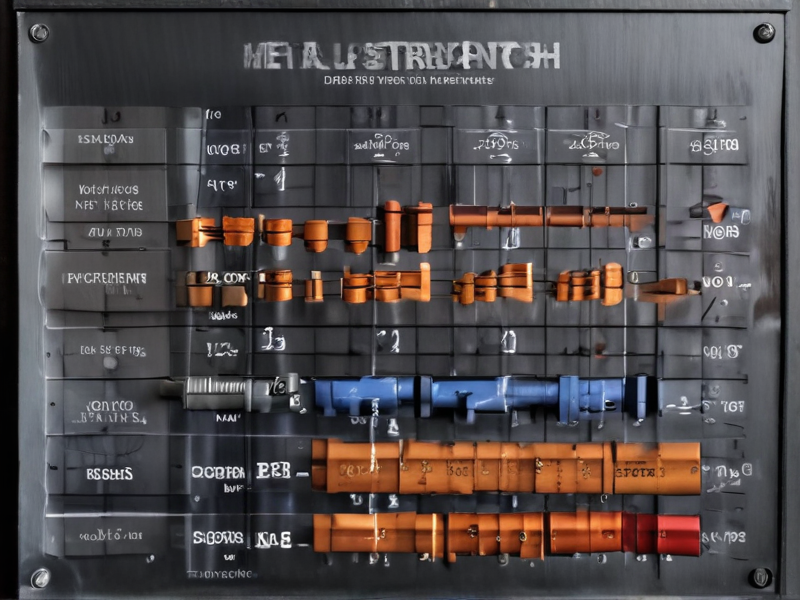
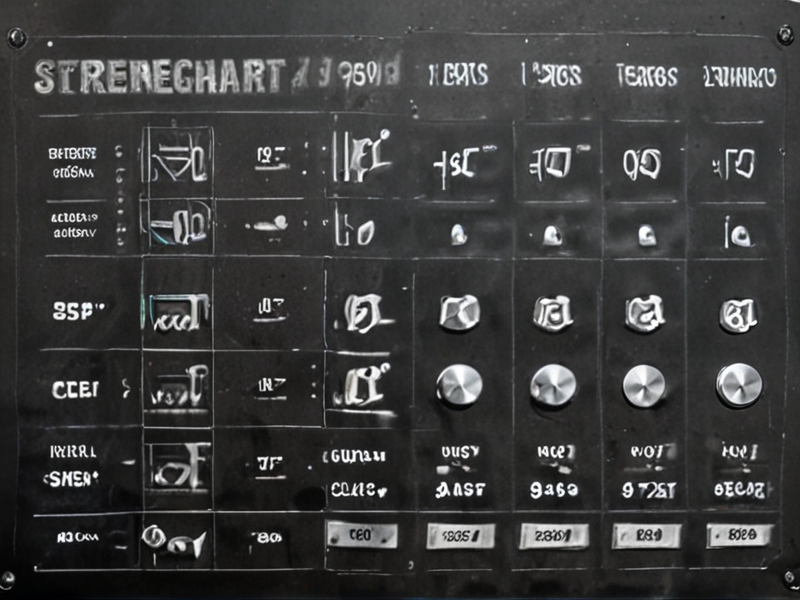
The SourcifyChina metal strength chart provides comprehensive information on the strength and durability of various metal materials commonly used in manufacturing. This tool allows businesses to make informed decisions when selecting the most suitable metal for their products.
By comparing the tensile strength, yield strength, and hardness of different metals, the SourcifyChina metal strength chart helps manufacturers determine the appropriate material for their specific applications.
With a user-friendly interface, the metal strength chart allows for easy navigation and quick access to relevant information. This enables businesses to streamline their decision-making process and optimize their manufacturing operations.
The chart is regularly updated to ensure accuracy and reliability in its data, providing businesses with the most up-to-date information on metal strengths. This allows manufacturers to stay informed about the latest developments in the industry and make informed choices for their products.
The quality control of the “SourcifyChina metal strength chart” involves meticulously checking the accuracy and reliability of the data provided. This includes verifying the sources of information and ensuring that all measurements are consistent.
Each data point on the metal strength chart is carefully scrutinized for any discrepancies or errors. This involves comparing multiple sources to ensure that the information is consistent and reliable. Any inconsistencies are flagged and investigated further.
In addition to verifying the accuracy of the data, the quality control process also includes checking the completeness of the information provided. This ensures that all necessary measurements and details are included in the chart.
To ensure that the metal strength chart meets industry standards, rigorous testing and validation processes are implemented. This includes cross-referencing with established databases and conducting independent tests to confirm the accuracy of the data.
The SourcifyChina metal strength chart provides valuable information on the strength levels of different types of metals commonly used in manufacturing. This chart is a useful tool for designers and engineers looking to select the most appropriate material for their projects.
Metals such as steel, aluminum, and titanium are included in the chart, with detailed information on their tensile, yield, and shear strengths. This allows users to make informed decisions when choosing the right material for their specific application.
Having a clear understanding of the strength characteristics of different metals is crucial in ensuring the reliability and durability of a product. The SourcifyChina metal strength chart helps users to accurately assess the suitability of a material for a particular design or project.
The SourcifyChina metal strength chart provides valuable information on the strength of various types of metals used in manufacturing. This chart is a helpful tool for companies looking to choose the most suitable material for their products.
Each metal is rated based on its tensile strength, yield strength, and ultimate tensile strength, allowing users to make informed decisions about which metal will be best suited for their specific needs. The chart also includes information on the hardness and ductility of each metal, providing a comprehensive overview of its properties.
With the SourcifyChina metal strength chart, users can easily compare the strength of different metals and determine which one will be most effective for their intended application. This can help companies save time and money by selecting the right material from the start.
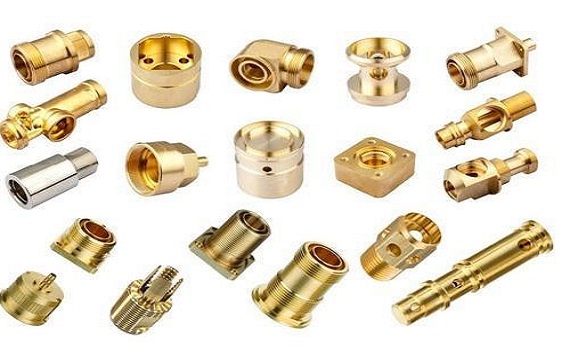
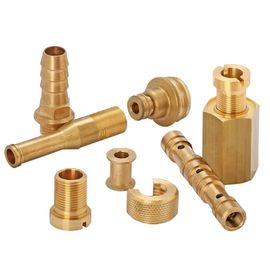
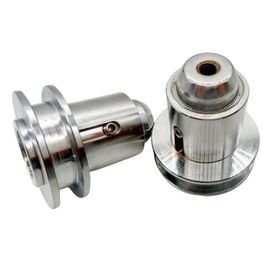
Whether you want painted, polished, plated, heat-treated, or coated custom CNC brass parts, HM offers unlimited surface treatments.
We ensure all CNC brass parts have the best finish for aesthetics and a long service lifespan.
Metal strength charts are crucial tools in the aerospace industry for determining the appropriate materials to use in aircraft construction. These charts provide essential data on the strength and durability of various metals under different conditions, such as temperature, pressure, and stress. By referencing these charts, engineers can select metals that meet the stringent requirements for aerospace applications, ensuring the safety and reliability of aircraft components. For example, when designing an aircraft wing, engineers can consult a metal strength chart to choose a material that can withstand the high stresses and forces experienced during flight. This helps to prevent structural failures and ensures the longevity of the aircraft.
The hardware industry greatly benefits from the use of metal strength charts in a variety of applications. These charts provide valuable information on the strength properties of different metals, allowing hardware manufacturers to choose the right material for their products. By referencing a metal strength chart, manufacturers can determine the tensile strength, yield strength, and hardness of various metals, helping them select the most appropriate material for their specific needs. For example, a manufacturer designing heavy-duty tools may refer to a metal strength chart to choose a material with high tensile strength to withstand heavy loads and prevent breakage. In this way, metal strength charts play a crucial role in ensuring the durability and reliability of hardware products.
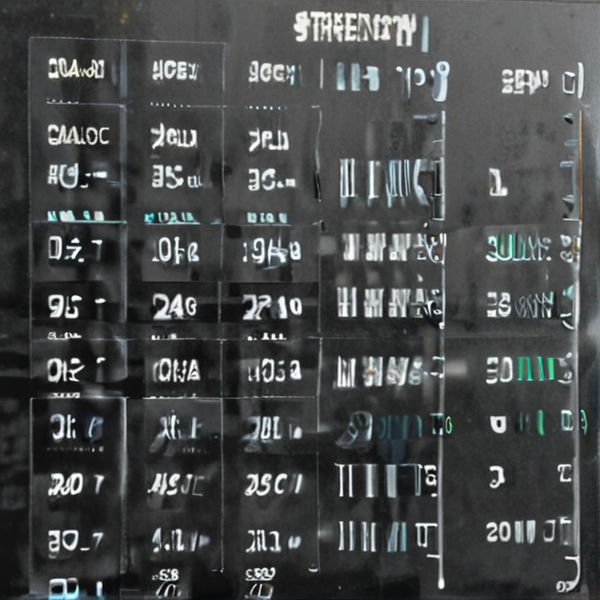
Metal strength charts are commonly used in the electronic industry to determine the appropriate type of metal to use for various applications. These charts provide valuable information on the tensile strength, yield strength, and hardness of different metals, which helps engineers and designers select the most suitable material for a specific component or product. For example, in the manufacturing of electronic devices such as smartphones, laptops, and circuit boards, knowing the strength properties of different metals can greatly impact the performance and durability of the final product. By referring to a metal strength chart, manufacturers can identify the most appropriate metal for each component, ensuring that the product meets required standards of strength and reliability.
A metal strength chart is a valuable tool in the automotive industry for determining the best materials to use in various components and structures. By referencing the chart, engineers can compare the strength and durability of different metals and alloys, helping them make informed decisions about which materials will perform best in specific applications. For example, a metal strength chart may show that a certain alloy has a higher tensile strength than another, making it better suited for use in critical components like suspension systems or engine parts. By using this information, automotive manufacturers can ensure that their vehicles are built with materials that will provide the highest level of safety and reliability.
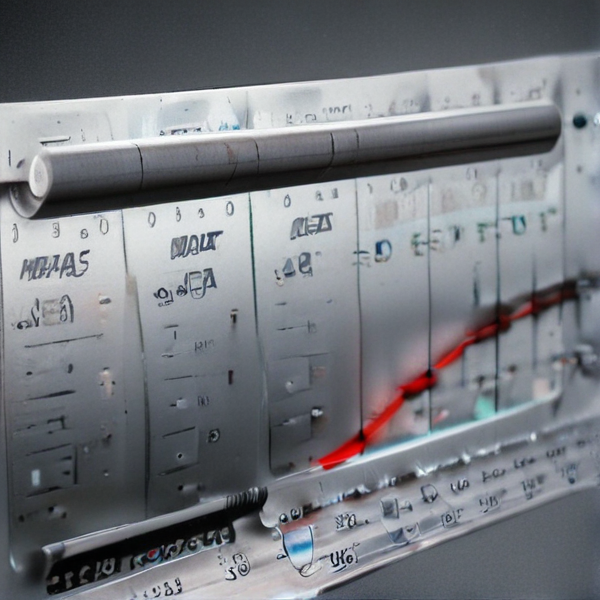
The medical industry frequently utilizes metal strength charts to determine the appropriate materials for various applications. These charts provide valuable information on the strength, durability, and flexibility of different metal alloys, which is crucial when designing and manufacturing medical devices and equipment. For example, orthopedic implants such as artificial joints need to be made from metals with high strength and fatigue resistance to withstand the stresses of daily use in the human body. By referring to a metal strength chart, engineers and clinicians can select the most suitable material for each specific application, ensuring optimal performance and patient safety.
Lorem ipsum dolor sit amet, consectetur adipiscing elit. Ut elit tellus, luctus nec ullamcorper mattis, pulvinar dapibus leo.
Lorem ipsum dolor sit amet, consectetur adipiscing elit. Ut elit tellus, luctus nec ullamcorper mattis, pulvinar dapibus leo.
Lorem ipsum dolor sit amet, consectetur adipiscing elit. Ut elit tellus, luctus nec ullamcorper mattis, pulvinar dapibus leo.
Lorem ipsum dolor sit amet, consectetur adipiscing elit. Ut elit tellus, luctus nec ullamcorper mattis, pulvinar dapibus leo.
Brass is a transition metal alloy, and it is produced by combining copper and zinc in various ratios.
Atoms of the two constituents substitute one another in the identical crystalline structure.
It is made to achieve different mechanical, electrical, and chemical characteristics.
Brass is similar to bronze, another copper alloy that uses tin rather than zinc.
Both bronze and brass contain trace amounts of cyanide, lead, phosphorus, metal, chromium, and silicon.
1/8 IPS thread refers to a common type of threading used in plumbing and lighting fixtures. It has a diameter of 1/8 inch and follows the IPS (Iron Pipe Size) standard. This thread size is often used for connecting small pipes and fittings securely.
The types of brass are as follows:
No, IPS (Iron Pipe Size) and NPT (National Pipe Thread) are not the same. While they both involve threading for pipes and fittings, IPS refers to the size of the pipe, whereas NPT refers to the type of threading used. IPS is used for non-threaded pipes, while NPT is used for threaded pipes.
There are countless reasons why brass parts should be used, such as the following:
The machinability of this brass lowers speed that produces the best results.
This is the most commonly used brass grade in applications requiring severe bending.
Brass has great cold working characteristics and it can be drawn easily with good results.
It could be heat treated, solidified, molded, and drawn in a fair amount of heat.
It can be effectively and quickly cut with gas, flame, and laser cutting machinery.
It responds to fluctuations in production demand, backup inventory levels can be built.
1/8-27 refers to a specific thread size notation. The “1/8” indicates the diameter of the threaded portion in inches, and the “27” indicates the number of threads per inch. This notation is commonly used for plumbing and lighting applications.
No, IPS threads and NPT threads are not compatible due to their differences in design and function. Attempting to connect these two types of threads can lead to leaks and improper fits.
Brass parts are resistant to corrosion and are suitable for use in harsh environments.
They are used in situations where there is a high risk of corrosion and standard brasses do not meet the requirements.
High water temperatures, the presence of chlorides, and varying moisture attribute all play a role.
In water boiler systems, brass is ideal.
To avoid long-term failures, this brass alloy must be manufactured with good caution as well as efficient production.
There are numerous brass parts finishes are available to give excellent touches like the following:
Milling is a term used to describe the process of Mills cutting material into nearly any 3D shape using rotating tools. Mills are capable of producing parts with extremely close tolerances.
Waterjets use a high-pressure flow of water and rough to trim metal sheets into 2D parts. Waterjet cutting works well with most materials and produces clean edges.
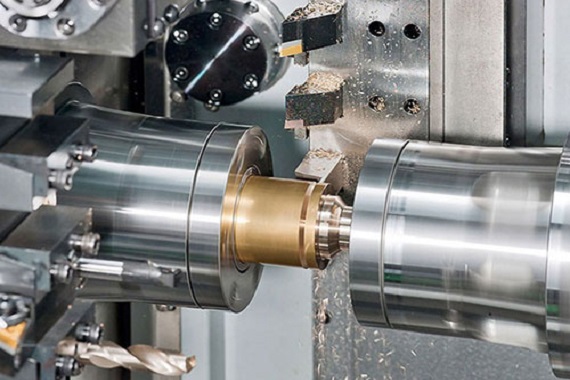
CNC lathes are used to feed hand tools into movable material. Turning is primarily used to create accurate, cylindrical parts.
EDM machines manufacture parts by removing material with recurring sparks. They are suggested for unique details that necessitate pointed interior edges and high dimensional precision.
Finishing methods improve the look, sturdiness, and corrosion resistance of a surface.
Powder coating, anodizing, polishing, sharpening, and other finishing techniques are also available.
Brass parts yielding, milling, tapping, grooving, and other services are available as additional services.
Second-hand parts may need to be processed further after they are manufactured.
There are different uses of brass parts and it is commonly used for the following:
Brass parts are used in numerous industrial applications, such as:
Tiny brass parts are preferred by businesses because they are easy to machine, cost-effective, and extremely durable.
Due to their low strength and weight, molded brass fittings are commonly applied to various electronic hardware.
Brass parts have smooth, low-friction metal that can be quickly machined, molded, sliced, and punched.
It is an ideal material for components that must be corrosion-resistant.
It has a higher degree of malleability than copper or nickel.
Due to their low dew point and fluid velocity, brass parts are reasonably simple elements to cast.
The properties of the brass can be altered by ranging the portions of copper and zinc, resulting in soft and hard brasses.
Nowadays, most brass composites are reused.
By transferring the scrap next to a strong magnet, it can be detached from ferrous metal.
Scrap brass is transported directly to a foundry, where it is liquefied and recreated into billets.
Billets are warmed and molded into the shape and size desired.
Because of the overall soft texture of brass, it is often possible to machine it without the need for drilling process.
Brass Parts are indeed a beneficial product and have a lot of advantages like the following:
The cost of brass is influenced by a number of factors, chief among them being the cost of the raw materials used to produce it – copper and zinc. Both of these metals have seen their prices increase due to increasing demand and occasionally, supply chain disruptions. Furthermore, the manufacturing process for brass is more complex than for simpler metals, contributing to its overall cost.
Despite its rising cost, brass can be considered cheap in comparison to other metals, like gold or platinum. This is due to the relative abundance and lower cost of its base components – copper and zinc. Moreover, brass’s durability and corrosion resistance add to its cost-effectiveness over time.
Brass is a type of metal, but it is not steel. It’s an alloy composed primarily of copper and zinc. While steel is also an alloy, it is primarily made of iron and carbon.
Brass is an alloy primarily composed of copper and zinc. The proportions of these elements can be varied to create a range of brasses with varying properties. In addition to copper and zinc, brass can also contain small amounts of other elements like lead, tin, or arsenic to enhance certain properties.
Brass is generally less expensive than pure copper. This is because zinc, the other major component of brass, costs less than copper, which reduces the overall cost of the material.
The “better” material between brass and steel largely depends on the application. Brass offers superior corrosion resistance, electrical conductivity, and aesthetic appeal. On the other hand, steel is typically stronger and more suitable for high-stress applications.
Brass is generally more expensive than aluminum. This is due to the higher cost of copper and zinc, the primary components of brass, compared to aluminum.
The manufacture of brass products typically involves several key steps: mining and refining of copper and zinc, melting and combining these elements to form brass, and finally shaping and finishing the brass into the desired product. This might involve processes like casting, extrusion, drawing, or machining, depending on the specific product.
The world of precision turned brass components is vast and diverse, spanning numerous industries from automotive to electronics. Among these, Hengming Mold (HM) stands out as a leading manufacturer. This company, located in Zhejiang, China, has a proven track record of delivering high-quality, precision-engineered brass components. Their expertise, refined over years of industry presence, coupled with their commitment to quality, places them among prominent manufacturers such as Cox Manufacturing in the U.S. and Pioneer Service Inc. in the U.S. Whether you’re sourcing for large-scale industrial projects or smaller, specialized applications, these manufacturers offer solutions tailored to your specific needs.
IP and CC threads are not standard thread designations. It’s possible that you’re referring to IPS (Iron Pipe Size) thread and NPT (National Pipe Thread) thread, in which case the main difference lies in the type of threading used and their applications.
IPS stands for Iron Pipe Size, which is a standardized system used to refer to the dimensions of pipes. It’s important to note that IPS does not imply threaded pipes; it simply indicates the size of the pipe based on its inner diameter.
IPS stands for Iron Pipe Size, which refers to the dimensions of a pipe, while NPT stands for National Pipe Thread, which refers to the type of threading used for pipes and fittings.
3/8 IPS thread refers to a threading size commonly used in plumbing applications. It has a diameter of 3/8 inch and follows the IPS (Iron Pipe Size) standard.
PT (Pipe Thread) and G thread are different thread standards. PT is a Japanese standard, while G thread, also known as BSPP (British Standard Pipe Parallel), is a British standard. They have variations in thread angles and applications.
1/8 NPT refers to a pipe thread size. The “1/8” indicates the diameter of the threaded portion in inches, and NPT (National Pipe Thread) specifies the type of threading used. This size is commonly used in various plumbing connections.
1/8 thread size refers to a standard threading size often used in plumbing and piping. It indicates a diameter of 1/8 inch for the threaded portion. This size is frequently used for connecting small pipes and fittings.
The difference lies in the threading standards. NPT (National Pipe Thread) is a U.S. standard with a tapered thread, while BSPT (British Standard Pipe Taper) is a British standard, also with a tapered thread. They have different thread angles and applications.
No, PT (Pipe Thread) and BSP (British Standard Pipe) are not the same. PT refers to a Japanese standard, while BSP refers to a set of British standards for pipe threads.
“Number 8 thread” is not a standard thread designation. It’s important to specify the threading system (such as NPT, BSP, etc.) to accurately determine the characteristics of the thread.
NPT (National Pipe Thread) commonly has threads per inch (TPI) ranging from 27 TPI to 8 TPI, depending on the pipe size. The specific TPI is determined by the thread size and is an important factor in creating proper seals.
“8 IPS” is not a standard thread designation. To provide accurate information, it’s necessary to specify the context or threading system you are referring to.
Thread sizes are usually specified in terms of diameter and threads per inch (TPI). Common examples include 1/8, 1/4, 3/8, and so on, indicating the diameter of the threaded portion, while the TPI specifies the number of threads per inch.
Copyright © 2024 SourcifyChina Fabrication | All Rights Reserved.