-
- Industry
- Material
- Capability
- Products
- Blog
- Sitemap
- Newsletter
- Whatsapp 8615951276160

- Industry
- Material
- Capability
- Products
- Blog
- Sitemap
Unlocking the Potential of Reliable Factory Fabrication of Stainless Steel with SourcifyChina: Your Trusted Partner in Streamlining Production Processes and Ensuring Quality Control.
SourcifyChina is a trusted manufacturing option for stainless steel in China, offering competitive pricing and high-quality products. Their factories are equipped with advanced technology and skilled workers, ensuring precision and efficiency in fabrication.
With a strong focus on quality control, SourcifyChina guarantees that all stainless steel products meet international standards and specifications. The factories undergo strict inspections to ensure consistency and accuracy in every order.
SourcifyChina’s team of experienced professionals provide excellent customer service and support throughout the entire fabrication process. They work closely with buyers to understand their specific needs and deliver customized solutions for their stainless steel requirements.
By choosing SourcifyChina’s factory, buyers can benefit from cost-effective solutions, timely delivery, and reliable communication throughout the production cycle. Their transparent pricing and efficient production methods make them a top choice for purchasing stainless steel from China.




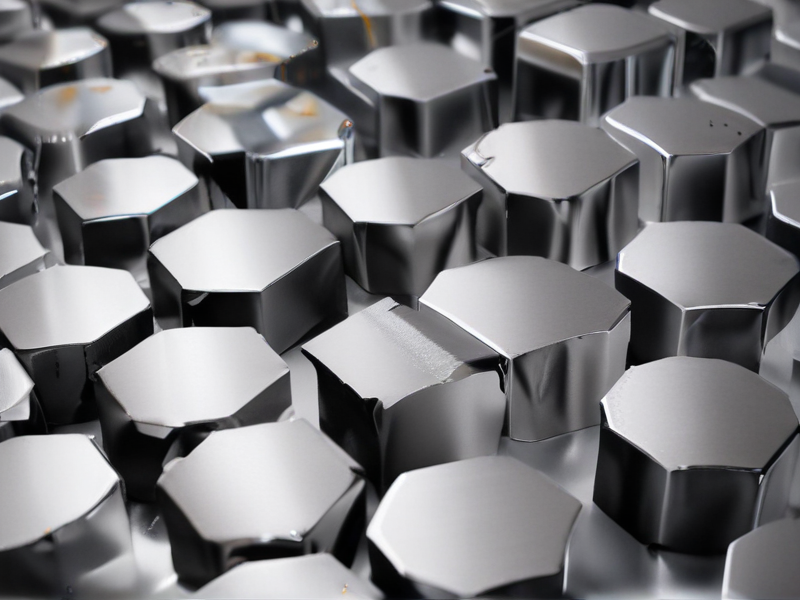



SourcifyChina has a strong capability in the fabrication of stainless steel. With advanced technology and skilled workers, they can produce high-quality stainless steel products. Their precision in cutting, bending, and welding ensures accuracy in the final product.
The team at SourcifyChina is experienced in handling a variety of stainless steel grades, allowing them to meet the specific needs of each project. They have the expertise to work with different thicknesses and shapes, producing custom-made stainless steel products.
Not only does SourcifyChina excel in fabrication, but they also pay close attention to the finishing touches of their stainless steel products. Their polishing and coating services ensure a smooth and durable surface, enhancing the overall quality of the final product.
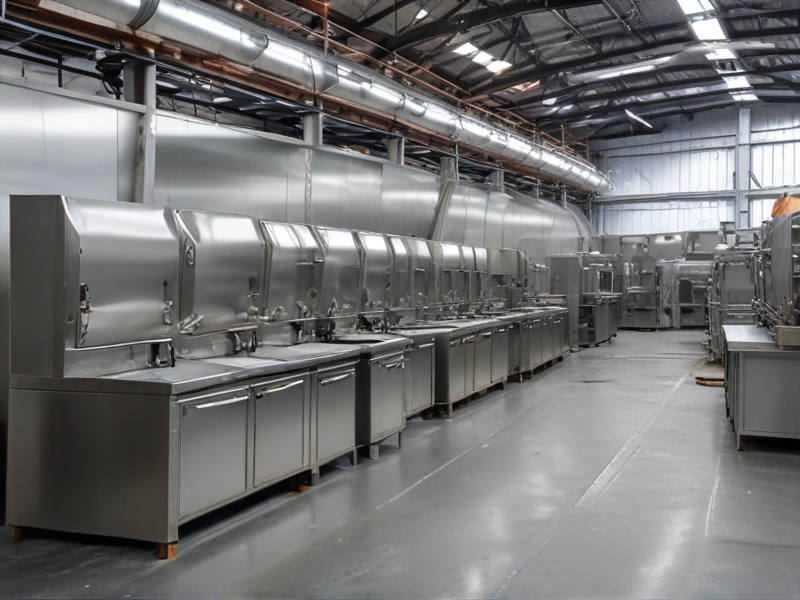
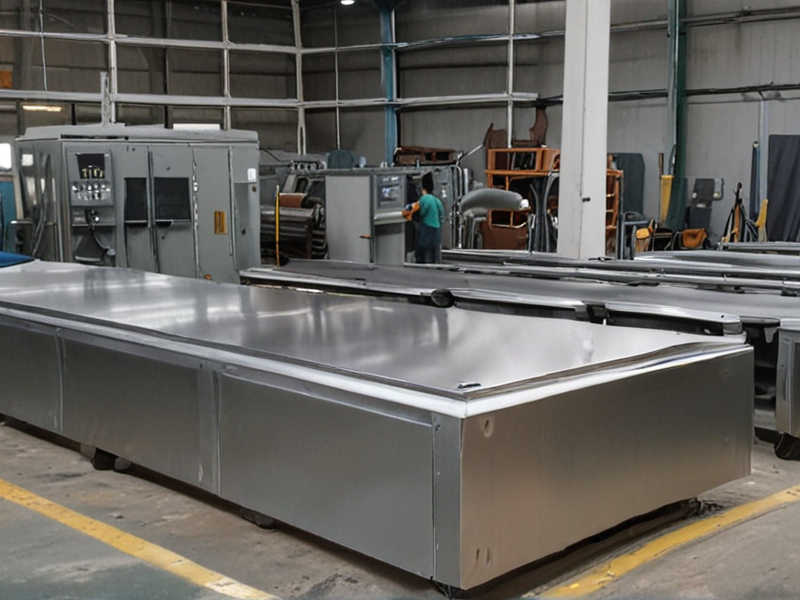
Quality control is essential in ensuring the fabrication of stainless steel meets the required standards. The first step is to set clear quality control criteria for the materials used in the production process.
Regular inspections of the fabrication process are necessary to identify any deviations from the quality standards. This includes checking the accuracy of measurements, the integrity of welds, and the overall finish of the final product.
It is important to conduct thorough testing of the stainless steel products to ensure they meet the required specifications. This can involve tests for tensile strength, hardness, and corrosion resistance to guarantee the durability and longevity of the products.
Any non-conforming products should be identified and rectified before they are delivered to the customers. This can include reworking or replacing defective parts to ensure that only high-quality stainless steel products are shipped out.
Sourcify China specializes in the fabrication of stainless steel, a durable and versatile material commonly used in various industries. Stainless steel is known for its corrosion resistance, making it an ideal choice for manufacturing products that require longevity.
Furthermore, stainless steel is easy to clean and maintain, making it a cost-effective material for businesses. Its sleek and modern appearance also adds a touch of sophistication to any project. Sourcify China’s stainless steel fabrication process ensures high-quality and precise products that meet industry standards.
Stainless steel is also highly customizable, allowing for intricate designs and shapes to be achieved. Sourcify China’s expertise in stainless steel fabrication guarantees consistent and reliable products for clients. The team’s attention to detail and commitment to excellence make them a trusted partner for any fabrication project.
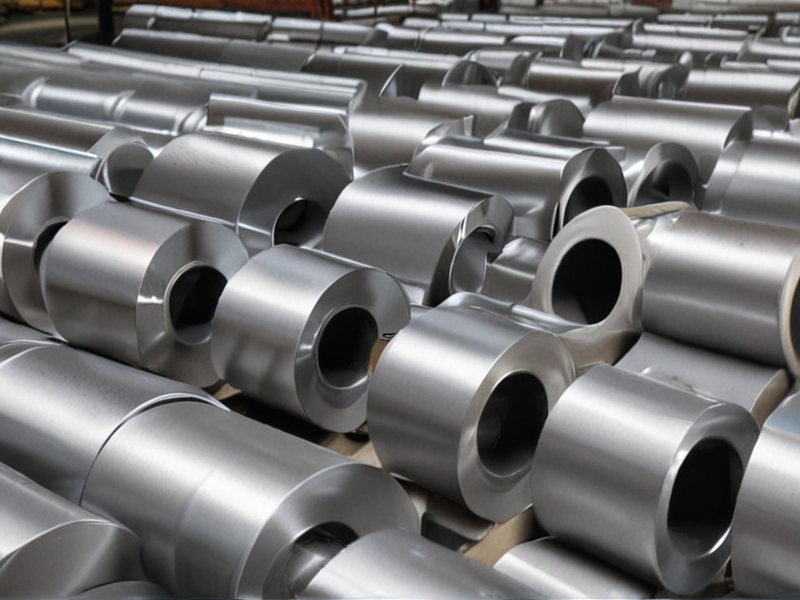
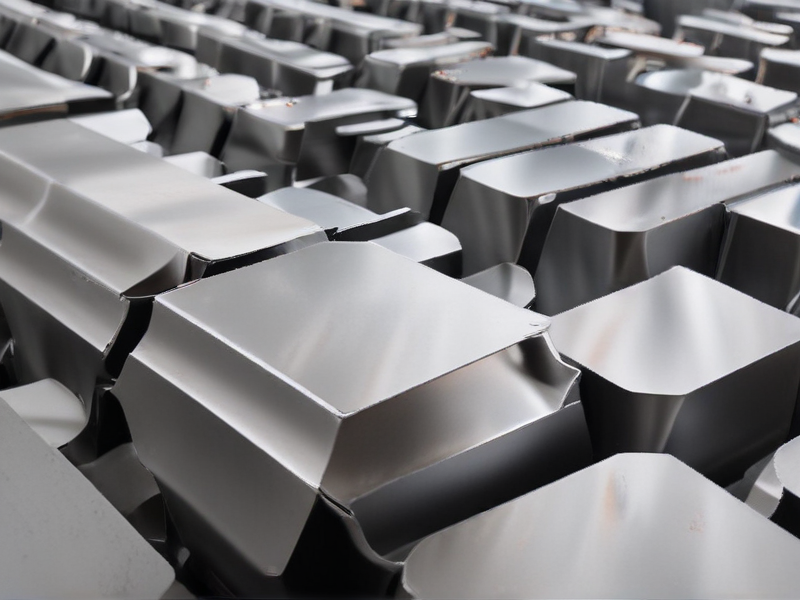
SourcifyChina offers fabrication of stainless steel with high precision and quality control. The stainless steel material is sourced from top suppliers to ensure durability.
The fabrication process includes cutting, welding, and polishing to achieve the desired shape and finish. Skilled craftsmen meticulously work on each project to meet client specifications.
SourcifyChina’s fabrication of stainless steel is suitable for a wide range of applications, from kitchen appliances to architectural features. The versatility of stainless steel allows for customization to suit various design needs.
The company uses advanced technologies and equipment to maintain consistency and accuracy throughout the fabrication process. This results in high-quality products that meet industry standards.
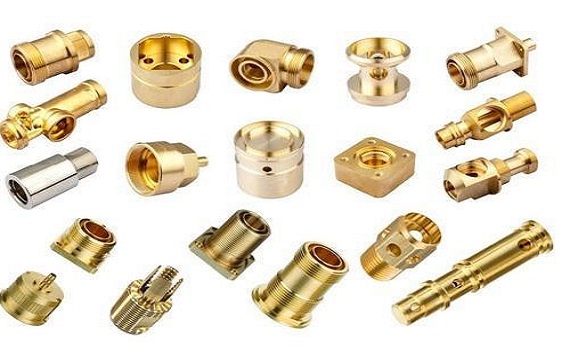
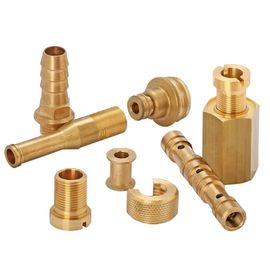
Whether you want painted, polished, plated, heat-treated, or coated custom CNC brass parts, HM offers unlimited surface treatments.
We ensure all CNC brass parts have the best finish for aesthetics and a long service lifespan.
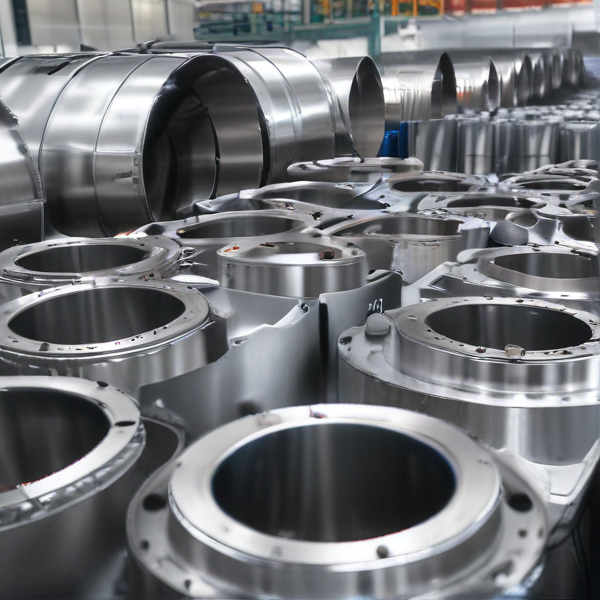
The aerospace industry relies heavily on the fabrication of stainless steel for a wide range of applications. One key use is in the construction of aircraft structures, where stainless steel offers exceptional strength and durability while also being resistant to corrosion. For example, stainless steel is often used for the fabrication of components like fuel tanks, landing gear, and engine parts, all of which must withstand extreme conditions and maintain structural integrity over long periods of time. Additionally, stainless steel is also used in the fabrication of heat shields and insulation systems, providing crucial protection against high temperatures and thermal stress during flights.
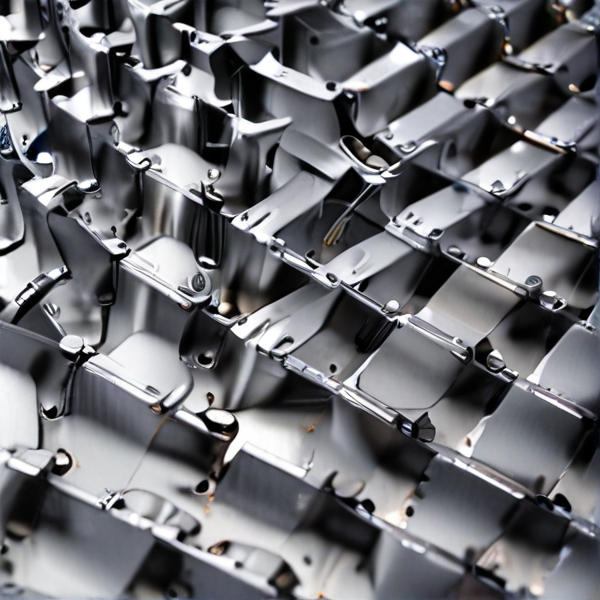
The hardware industry relies heavily on the fabrication of stainless steel for a wide range of applications. Stainless steel is known for its durability, corrosion resistance, and strength, making it an ideal material for hardware components such as fasteners, brackets, hinges, and handles. Fabrication processes such as cutting, bending, welding, and machining are used to shape stainless steel into the specific parts needed for various hardware products. These fabricated stainless steel components play a crucial role in ensuring the reliability and longevity of hardware products, as they can withstand harsh environmental conditions and heavy usage without deteriorating.
Additionally, stainless steel fabrication is also commonly used in the production of kitchen appliances, tools, and equipment used in the hardware industry. Stainless steel’s hygienic properties, ease of cleaning, and aesthetic appeal make it a popular choice for manufacturing kitchen sinks, countertops, cabinets, and cookware.

In the electronic industry, stainless steel is frequently used for the fabrication of various components due to its excellent corrosion resistance, high strength, and durability. One common application of stainless steel in the electronic industry is the fabrication of electrical enclosures and cabinets to protect sensitive electronic equipment from environmental factors such as moisture, dust, and chemicals. Stainless steel enclosures provide a robust and long-lasting solution for housing electronic components in a variety of settings, including industrial facilities, outdoor environments, and clean rooms. The corrosion resistance of stainless steel ensures that the enclosures will remain in good condition even in harsh conditions, extending the lifespan of the electronic equipment housed within.
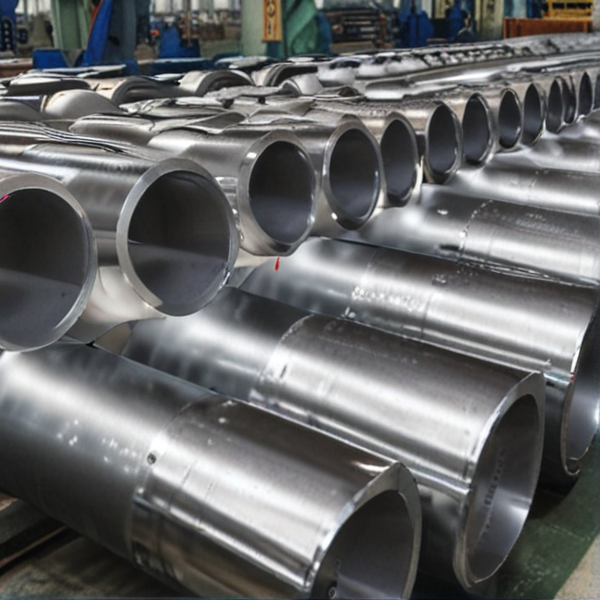
The automotive industry heavily relies on the fabrication of stainless steel for a wide range of applications. Stainless steel is corrosion-resistant, durable, and aesthetically appealing, making it an ideal material for various components in vehicles. From exhaust systems and fuel tanks to body panels and structural components, stainless steel is used in a multitude of ways to enhance the performance, safety, and longevity of automobiles. The fabrication process of stainless steel allows for intricate designs and precise shaping, ensuring that parts meet strict industry standards and can withstand the harsh conditions of the road.
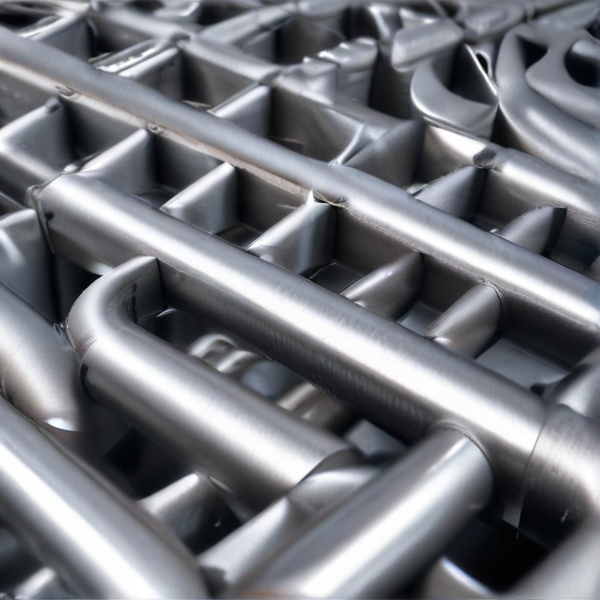
Stainless steel is an essential material in the medical industry due to its durability, corrosion resistance, and ease of sterilization. The fabrication of stainless steel is crucial in the production of medical instruments, equipment, and devices. For example, surgical instruments such as scalpels, forceps, and scissors are commonly made from stainless steel due to its ability to withstand repeated sterilization processes without degrading. The fabrication process allows for precise shaping and forming of these instruments, ensuring they meet the stringent requirements of the medical industry.
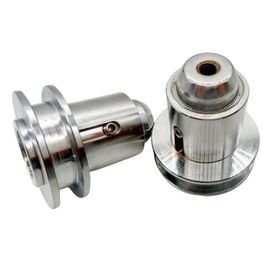
Lorem ipsum dolor sit amet, consectetur adipiscing elit. Ut elit tellus, luctus nec ullamcorper mattis, pulvinar dapibus leo.
Lorem ipsum dolor sit amet, consectetur adipiscing elit. Ut elit tellus, luctus nec ullamcorper mattis, pulvinar dapibus leo.
Lorem ipsum dolor sit amet, consectetur adipiscing elit. Ut elit tellus, luctus nec ullamcorper mattis, pulvinar dapibus leo.
Lorem ipsum dolor sit amet, consectetur adipiscing elit. Ut elit tellus, luctus nec ullamcorper mattis, pulvinar dapibus leo.
Brass is a transition metal alloy, and it is produced by combining copper and zinc in various ratios.
Atoms of the two constituents substitute one another in the identical crystalline structure.
It is made to achieve different mechanical, electrical, and chemical characteristics.
Brass is similar to bronze, another copper alloy that uses tin rather than zinc.
Both bronze and brass contain trace amounts of cyanide, lead, phosphorus, metal, chromium, and silicon.
1/8 IPS thread refers to a common type of threading used in plumbing and lighting fixtures. It has a diameter of 1/8 inch and follows the IPS (Iron Pipe Size) standard. This thread size is often used for connecting small pipes and fittings securely.
The types of brass are as follows:
No, IPS (Iron Pipe Size) and NPT (National Pipe Thread) are not the same. While they both involve threading for pipes and fittings, IPS refers to the size of the pipe, whereas NPT refers to the type of threading used. IPS is used for non-threaded pipes, while NPT is used for threaded pipes.
There are countless reasons why brass parts should be used, such as the following:
The machinability of this brass lowers speed that produces the best results.
This is the most commonly used brass grade in applications requiring severe bending.
Brass has great cold working characteristics and it can be drawn easily with good results.
It could be heat treated, solidified, molded, and drawn in a fair amount of heat.
It can be effectively and quickly cut with gas, flame, and laser cutting machinery.
It responds to fluctuations in production demand, backup inventory levels can be built.
1/8-27 refers to a specific thread size notation. The “1/8” indicates the diameter of the threaded portion in inches, and the “27” indicates the number of threads per inch. This notation is commonly used for plumbing and lighting applications.
No, IPS threads and NPT threads are not compatible due to their differences in design and function. Attempting to connect these two types of threads can lead to leaks and improper fits.
Brass parts are resistant to corrosion and are suitable for use in harsh environments.
They are used in situations where there is a high risk of corrosion and standard brasses do not meet the requirements.
High water temperatures, the presence of chlorides, and varying moisture attribute all play a role.
In water boiler systems, brass is ideal.
To avoid long-term failures, this brass alloy must be manufactured with good caution as well as efficient production.
There are numerous brass parts finishes are available to give excellent touches like the following:
Milling is a term used to describe the process of Mills cutting material into nearly any 3D shape using rotating tools. Mills are capable of producing parts with extremely close tolerances.
Waterjets use a high-pressure flow of water and rough to trim metal sheets into 2D parts. Waterjet cutting works well with most materials and produces clean edges.
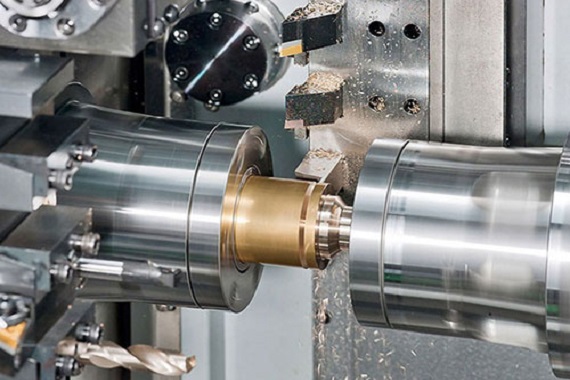
CNC lathes are used to feed hand tools into movable material. Turning is primarily used to create accurate, cylindrical parts.
EDM machines manufacture parts by removing material with recurring sparks. They are suggested for unique details that necessitate pointed interior edges and high dimensional precision.
Finishing methods improve the look, sturdiness, and corrosion resistance of a surface.
Powder coating, anodizing, polishing, sharpening, and other finishing techniques are also available.
Brass parts yielding, milling, tapping, grooving, and other services are available as additional services.
Second-hand parts may need to be processed further after they are manufactured.
There are different uses of brass parts and it is commonly used for the following:
Brass parts are used in numerous industrial applications, such as:
Tiny brass parts are preferred by businesses because they are easy to machine, cost-effective, and extremely durable.
Due to their low strength and weight, molded brass fittings are commonly applied to various electronic hardware.
Brass parts have smooth, low-friction metal that can be quickly machined, molded, sliced, and punched.
It is an ideal material for components that must be corrosion-resistant.
It has a higher degree of malleability than copper or nickel.
Due to their low dew point and fluid velocity, brass parts are reasonably simple elements to cast.
The properties of the brass can be altered by ranging the portions of copper and zinc, resulting in soft and hard brasses.
Nowadays, most brass composites are reused.
By transferring the scrap next to a strong magnet, it can be detached from ferrous metal.
Scrap brass is transported directly to a foundry, where it is liquefied and recreated into billets.
Billets are warmed and molded into the shape and size desired.
Because of the overall soft texture of brass, it is often possible to machine it without the need for drilling process.
Brass Parts are indeed a beneficial product and have a lot of advantages like the following:
The cost of brass is influenced by a number of factors, chief among them being the cost of the raw materials used to produce it – copper and zinc. Both of these metals have seen their prices increase due to increasing demand and occasionally, supply chain disruptions. Furthermore, the manufacturing process for brass is more complex than for simpler metals, contributing to its overall cost.
Despite its rising cost, brass can be considered cheap in comparison to other metals, like gold or platinum. This is due to the relative abundance and lower cost of its base components – copper and zinc. Moreover, brass’s durability and corrosion resistance add to its cost-effectiveness over time.
Brass is a type of metal, but it is not steel. It’s an alloy composed primarily of copper and zinc. While steel is also an alloy, it is primarily made of iron and carbon.
Brass is an alloy primarily composed of copper and zinc. The proportions of these elements can be varied to create a range of brasses with varying properties. In addition to copper and zinc, brass can also contain small amounts of other elements like lead, tin, or arsenic to enhance certain properties.
Brass is generally less expensive than pure copper. This is because zinc, the other major component of brass, costs less than copper, which reduces the overall cost of the material.
The “better” material between brass and steel largely depends on the application. Brass offers superior corrosion resistance, electrical conductivity, and aesthetic appeal. On the other hand, steel is typically stronger and more suitable for high-stress applications.
Brass is generally more expensive than aluminum. This is due to the higher cost of copper and zinc, the primary components of brass, compared to aluminum.
The manufacture of brass products typically involves several key steps: mining and refining of copper and zinc, melting and combining these elements to form brass, and finally shaping and finishing the brass into the desired product. This might involve processes like casting, extrusion, drawing, or machining, depending on the specific product.
The world of precision turned brass components is vast and diverse, spanning numerous industries from automotive to electronics. Among these, Hengming Mold (HM) stands out as a leading manufacturer. This company, located in Zhejiang, China, has a proven track record of delivering high-quality, precision-engineered brass components. Their expertise, refined over years of industry presence, coupled with their commitment to quality, places them among prominent manufacturers such as Cox Manufacturing in the U.S. and Pioneer Service Inc. in the U.S. Whether you’re sourcing for large-scale industrial projects or smaller, specialized applications, these manufacturers offer solutions tailored to your specific needs.
IP and CC threads are not standard thread designations. It’s possible that you’re referring to IPS (Iron Pipe Size) thread and NPT (National Pipe Thread) thread, in which case the main difference lies in the type of threading used and their applications.
IPS stands for Iron Pipe Size, which is a standardized system used to refer to the dimensions of pipes. It’s important to note that IPS does not imply threaded pipes; it simply indicates the size of the pipe based on its inner diameter.
IPS stands for Iron Pipe Size, which refers to the dimensions of a pipe, while NPT stands for National Pipe Thread, which refers to the type of threading used for pipes and fittings.
3/8 IPS thread refers to a threading size commonly used in plumbing applications. It has a diameter of 3/8 inch and follows the IPS (Iron Pipe Size) standard.
PT (Pipe Thread) and G thread are different thread standards. PT is a Japanese standard, while G thread, also known as BSPP (British Standard Pipe Parallel), is a British standard. They have variations in thread angles and applications.
1/8 NPT refers to a pipe thread size. The “1/8” indicates the diameter of the threaded portion in inches, and NPT (National Pipe Thread) specifies the type of threading used. This size is commonly used in various plumbing connections.
1/8 thread size refers to a standard threading size often used in plumbing and piping. It indicates a diameter of 1/8 inch for the threaded portion. This size is frequently used for connecting small pipes and fittings.
The difference lies in the threading standards. NPT (National Pipe Thread) is a U.S. standard with a tapered thread, while BSPT (British Standard Pipe Taper) is a British standard, also with a tapered thread. They have different thread angles and applications.
No, PT (Pipe Thread) and BSP (British Standard Pipe) are not the same. PT refers to a Japanese standard, while BSP refers to a set of British standards for pipe threads.
“Number 8 thread” is not a standard thread designation. It’s important to specify the threading system (such as NPT, BSP, etc.) to accurately determine the characteristics of the thread.
NPT (National Pipe Thread) commonly has threads per inch (TPI) ranging from 27 TPI to 8 TPI, depending on the pipe size. The specific TPI is determined by the thread size and is an important factor in creating proper seals.
“8 IPS” is not a standard thread designation. To provide accurate information, it’s necessary to specify the context or threading system you are referring to.
Thread sizes are usually specified in terms of diameter and threads per inch (TPI). Common examples include 1/8, 1/4, 3/8, and so on, indicating the diameter of the threaded portion, while the TPI specifies the number of threads per inch.
1. What is the quality of stainless steel work produced by SourcifyChina’s factory?
SourcifyChina’s factory produces high-quality stainless steel work with a focus on precision and durability. The manufacturing process is closely monitored to ensure that the final product meets industry standards for excellence.
2. What types of stainless steel products can be fabricated at SourcifyChina’s factory?
SourcifyChina’s factory is equipped to fabricate a wide range of stainless steel products, including custom metal parts, machinery components, kitchen equipment, and architectural elements. The skilled team can work with various grades of stainless steel to meet the specific needs of each project.
3. How does SourcifyChina ensure quality control during the fabrication process?
SourcifyChina factory specializes in the fabrication of stainless steel manufacturing, offering high-quality products for various industries. When sourcing stainless steel products from SourcifyChina, there are a few tips to keep in mind:
1. Material Selection: Ensure the factory uses high-quality stainless steel materials to guarantee the durability and longevity of the final product. Different grades of stainless steel are available, each with unique properties suitable for specific applications.
2. Customization Options: SourcifyChina offers customization services, allowing you to tailor the stainless steel products to meet your specific requirements. Whether you need a specific size, shape, or finish, communicate your customization needs clearly to ensure the final product meets your expectations.
1. How can I source stainless steel fabrication services from a SourcifyChina factory?
You can easily source stainless steel fabrication services from a SourcifyChina factory by submitting a request on their platform. Simply provide details about your project requirements, such as the type of stainless steel products needed, design specifications, quantity, and any additional preferences. The SourcifyChina team will match you with a suitable factory that specializes in stainless steel fabrication.
2. What types of stainless steel products can be fabricated by SourcifyChina factories?
When sourcing the fabrication of stainless steel from a factory in China, there are a few key tips to keep in mind to ensure a successful partnership:
1. Conduct thorough research: Start by researching and identifying potential factories in China that specialize in stainless steel fabrication. Look for manufacturers with a proven track record of producing high-quality stainless steel products.
2. Verify credentials: Before committing to a factory, make sure to verify their credentials, such as certifications, licenses, and quality control processes. This will help ensure that the factory meets industry standards and is capable of producing the stainless steel products you require.
3. Request samples: Ask the factory to provide samples of their work to assess the quality of their stainless steel fabrication. This will give you a better idea of the factory’s capabilities and help you make an informed decision.
Copyright © 2024 SourcifyChina Fabrication | All Rights Reserved.