-
- Industry
- Material
- Capability
- Products
- Blog
- Sitemap
- Newsletter
- Whatsapp 8615951276160

- Industry
- Material
- Capability
- Products
- Blog
- Sitemap
Reliable Sourcing Solutions for Metal Marking in Chinese Factories: SourcifyChina Ensures Quality and Efficiency for Your Manufacturing Needs. Trust us for accurate and timely production.
When it comes to purchasing metal marking from China, choosing SourcifyChina’s factory is a smart choice. They have a proven track record of delivering high-quality products at competitive prices. Their expertise in the industry ensures that you will receive top-notch service and products.
SourcifyChina’s factory has a team of skilled professionals who are dedicated to meeting your specific requirements. They work closely with clients to ensure that their needs are met and that the final product exceeds expectations. With their attention to detail and commitment to customer satisfaction, you can trust in the quality of their work.
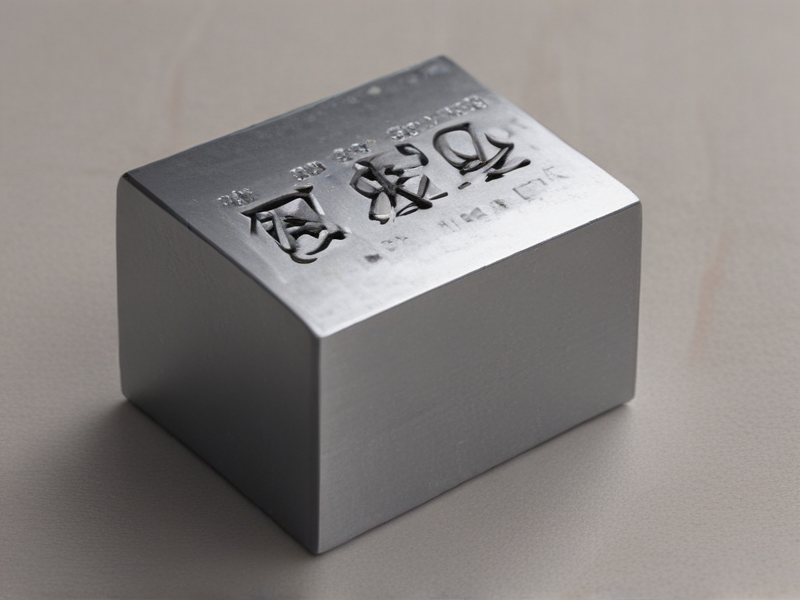
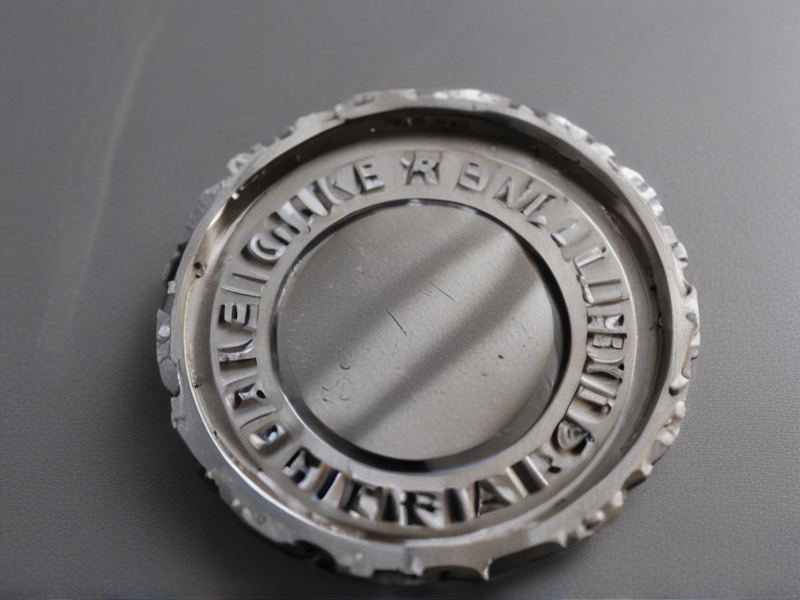
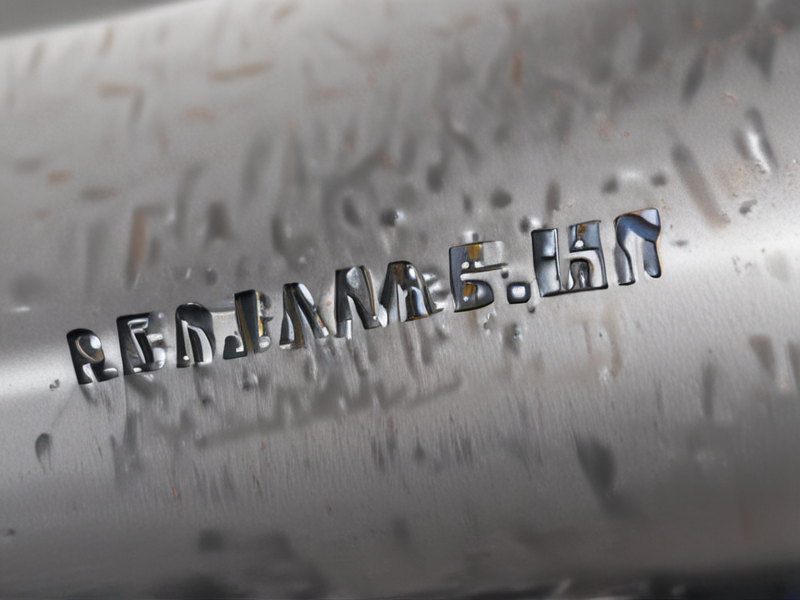
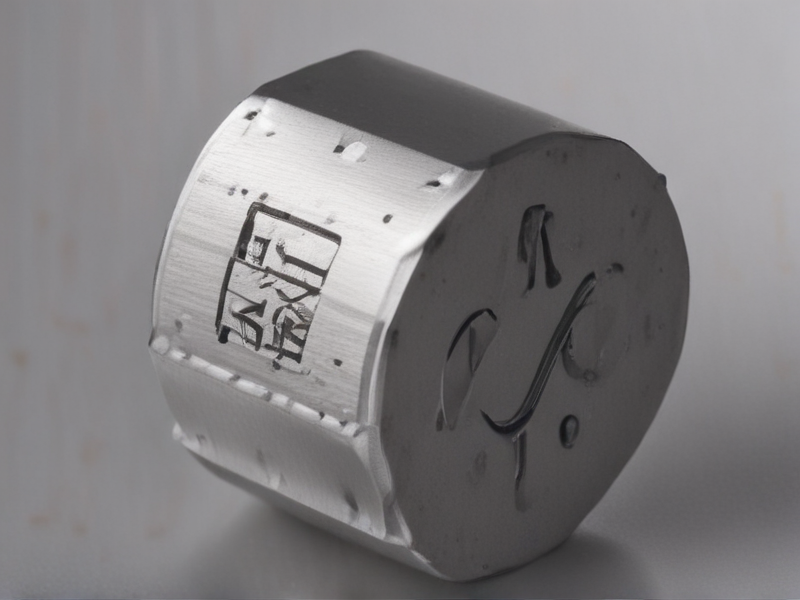
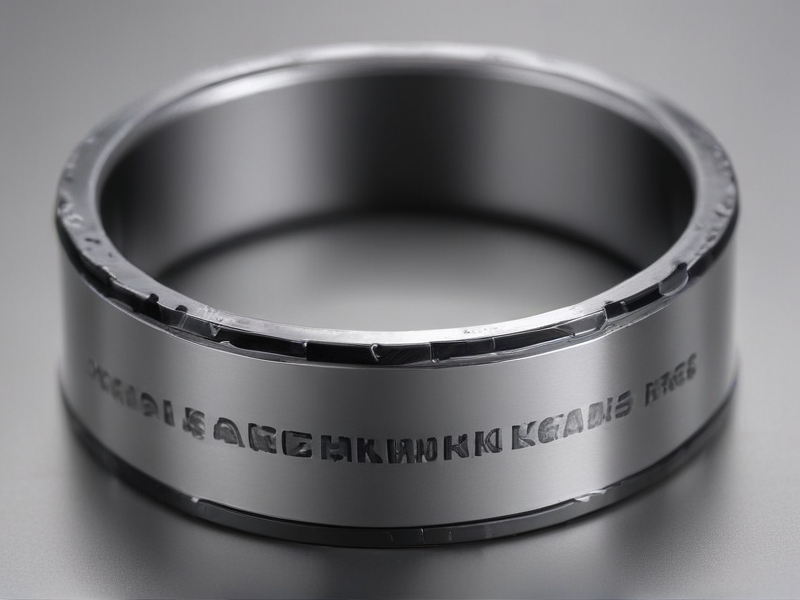
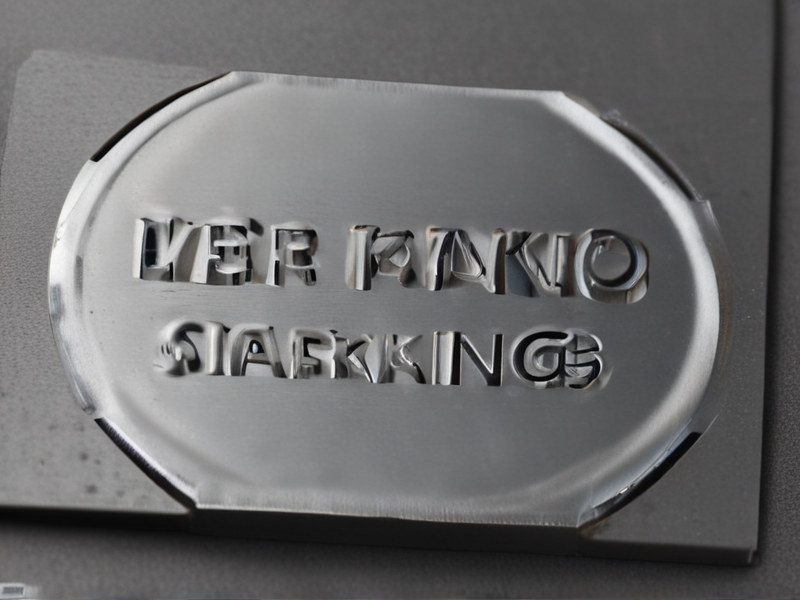
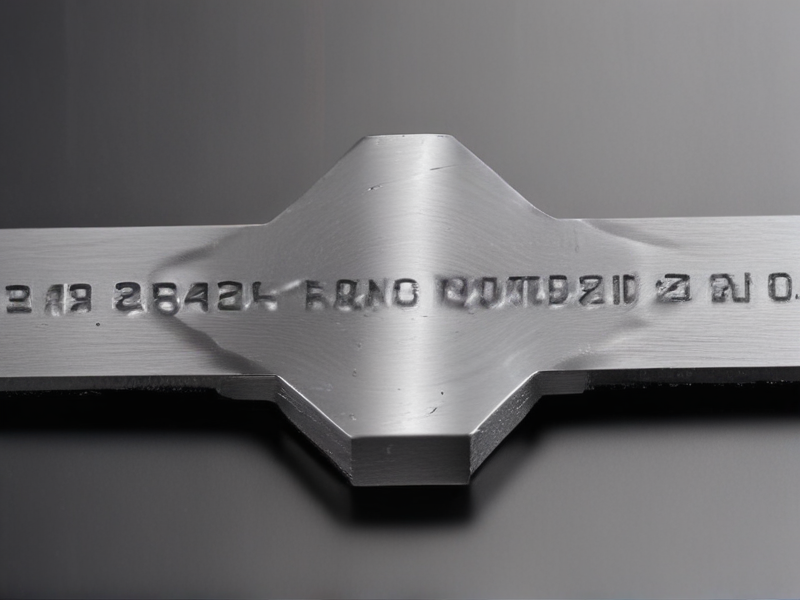
SourcifyChina offers metal marking services for a variety of materials, including stainless steel, aluminum, and brass. They have the capability to mark logos, serial numbers, and other custom designs onto metal surfaces.
With advanced laser marking technology, SourcifyChina can provide precise and durable markings on metal products. Their team of skilled technicians ensures high-quality results for each project.
SourcifyChina’s metal marking services are suitable for a wide range of applications, from industrial components to promotional items. They can accommodate both small and large-scale projects, delivering efficient and cost-effective solutions.
Additionally, SourcifyChina offers customization options for metal marking, allowing clients to choose the size, font, and positioning of the markings. This flexibility ensures that each project meets the specific needs of the customer.
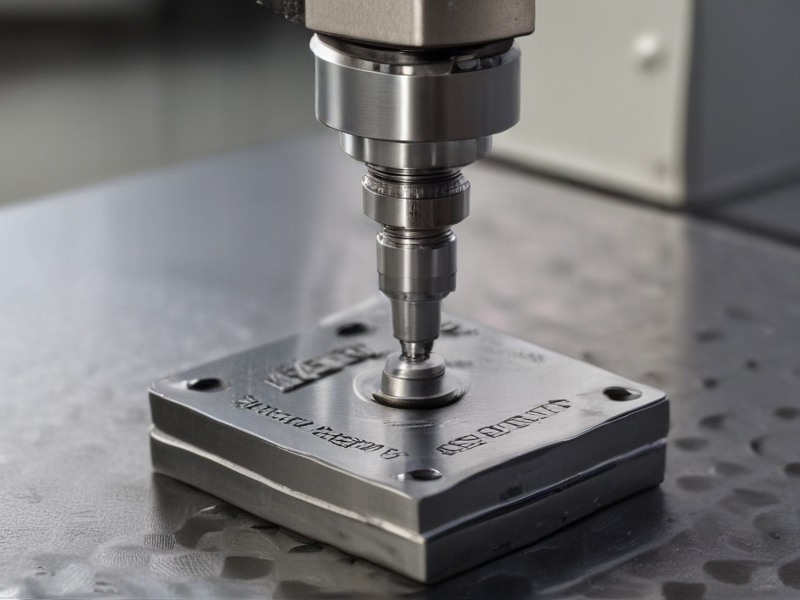
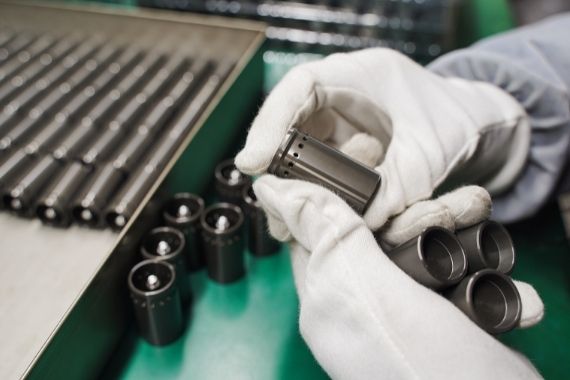
Ensuring the quality control of SourcifyChina metal marking requires meticulous attention to detail. Each product must undergo thorough inspection to meet the highest standards.
Firstly, the materials used in the metal marking process must be of the highest quality to ensure durability and longevity. Any subpar materials will result in a lower quality product.
Secondly, the production process must be closely monitored to guarantee precision and accuracy in the metal marking process. Any inconsistencies or errors must be rectified immediately.
Thirdly, strict quality control measures must be implemented throughout the entire production line to maintain consistency across all products. This includes regular inspections and testing.
In addition, the finished products must undergo a final inspection to ensure they meet all specifications and standards set by SourcifyChina. Any deviations from these standards will result in the product being rejected.
SourcifyChina metal marking uses high-quality materials sourced from reliable suppliers. The metal used is durable, ensuring a long-lasting and precise marking.
The material is carefully selected to withstand various environmental conditions, making it suitable for a wide range of applications. It is resistant to corrosion, ensuring the mark remains intact over time.
The metal marking material is also highly customizable, allowing for intricate designs and detailed markings. It can be easily modified to meet specific requirements and preferences.
In conclusion, the SourcifyChina metal marking material is a top choice for industry professionals seeking reliable and durable marking solutions. Its quality, durability, and customizability make it an excellent option for a variety of applications.
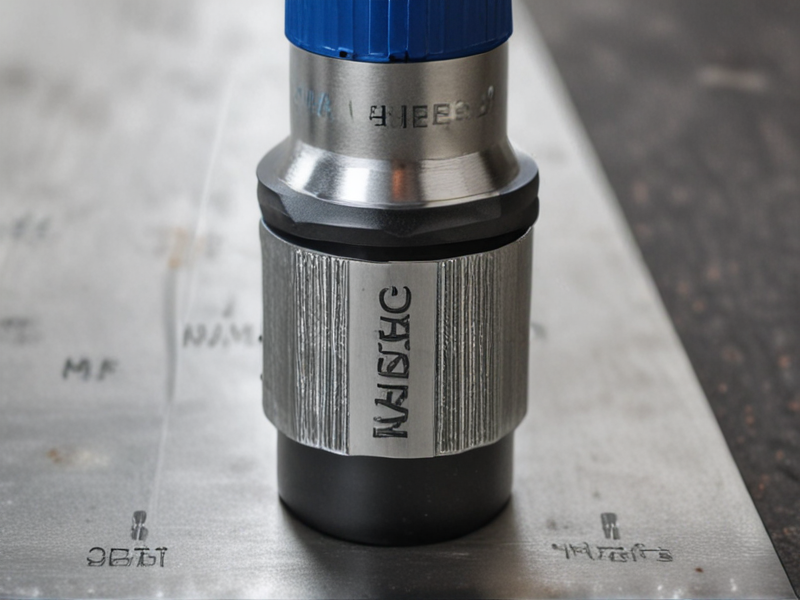
SourcifyChina metal marking offers advanced technology for precise and permanent engraving on various metal materials. With deep etching capabilities, it ensures clear and durable markings that withstand harsh conditions. Additionally, the machine supports a wide range of fonts and designs for customization.
Equipped with high-powered lasers, SourcifyChina metal marking provides fast and accurate results with minimal error margins. Its versatile software allows for easy setup and adjustments, making it suitable for a wide range of applications. The machine’s efficient cooling system ensures consistent performance over long periods.
SourcifyChina metal marking boasts a user-friendly interface, making it accessible for both novice and experienced operators. Its compact design allows for easy integration into existing production lines. The machine is also equipped with safety features to protect users during operation.
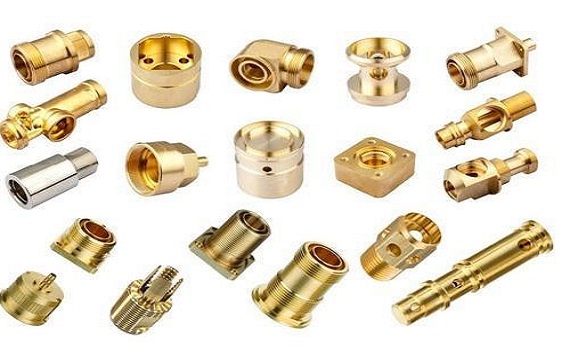
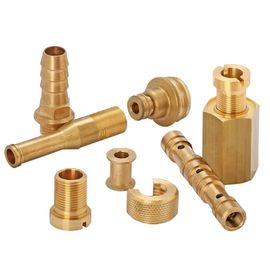
Whether you want painted, polished, plated, heat-treated, or coated custom CNC brass parts, HM offers unlimited surface treatments.
We ensure all CNC brass parts have the best finish for aesthetics and a long service lifespan.
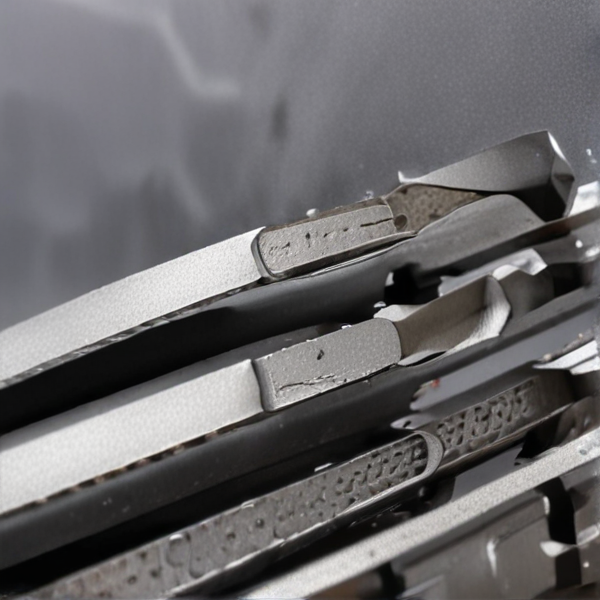
Metal marking plays a crucial role in the aerospace industry by providing a reliable method for identifying parts, components, and equipment. This is essential for quality control, traceability, and compliance with regulatory requirements. Metal marking techniques such as laser engraving, dot peen marking, and chemical etching are widely used in aerospace manufacturing to apply serial numbers, part numbers, logos, and other important information directly onto metal surfaces. By using permanent and high-contrast marking methods, aerospace companies can ensure that critical components are properly identified, tracked, and inspected throughout the production process and service life of the aircraft.
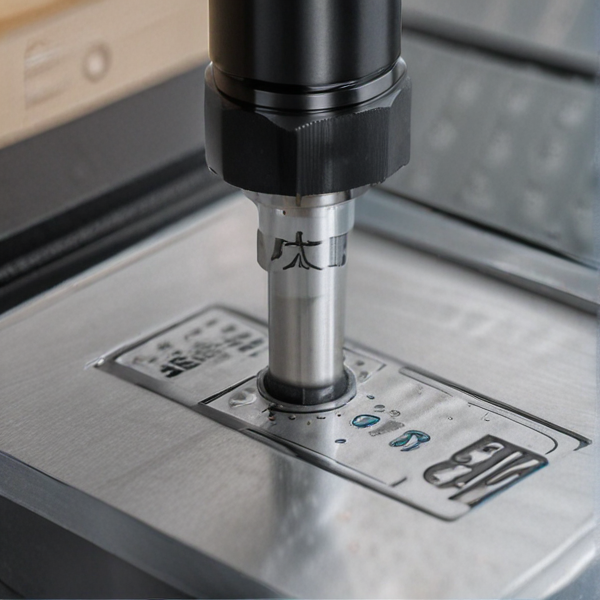
Metal marking is a crucial process in the hardware industry, with a wide range of applications. One of the primary uses of metal marking in this sector is for product identification and branding. By marking metal components with serial numbers, logos, or other unique identifiers, manufacturers can easily track and trace their products throughout the supply chain. This helps to improve inventory control, prevent counterfeiting, and ensure product authenticity. Metal marking is also used for quality control purposes, allowing manufacturers to quickly identify defective parts and prevent them from reaching the market.
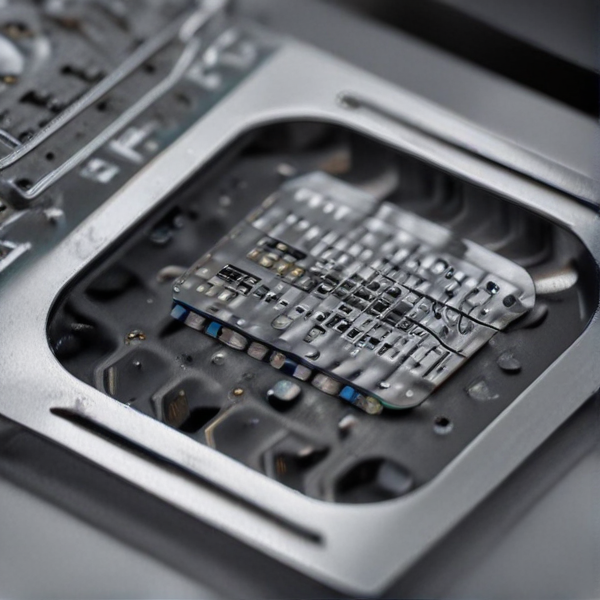
Metal marking is a crucial process in the electronic industry, as it allows for the identification and tracking of components and parts throughout the manufacturing and assembly process. This is essential for ensuring quality control, traceability, and compliance with industry regulations. Metal marking can be used to apply serial numbers, date codes, logos, and other important information onto metal surfaces, providing a permanent and durable identification solution. This helps manufacturers to easily identify and trace individual components, troubleshoot any issues that may arise, and maintain accurate records for quality control purposes.
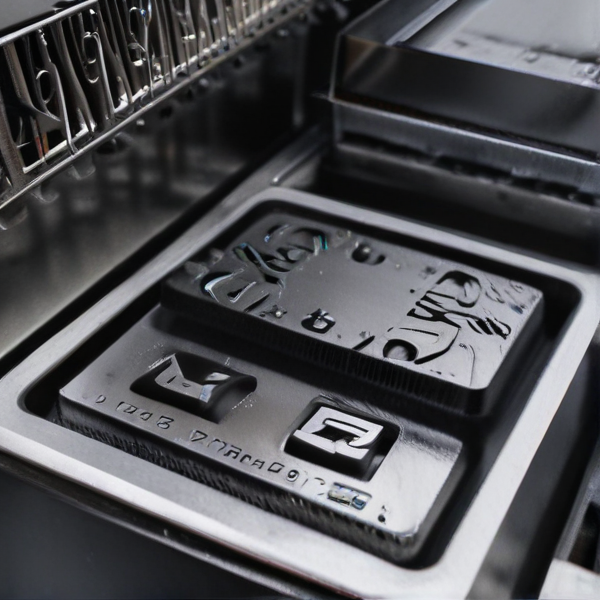
Metal marking is an essential process in the automotive industry as it allows manufacturers to apply identification codes, logos, and other important information on various metal components. These markings serve as a way to trace parts back to their origins, ensuring better quality control and accountability throughout the production process. Whether it’s marking the VIN number on a vehicle frame or engraving a serial number on a critical engine component, metal marking plays a crucial role in maintaining the integrity and reliability of automotive products.
In addition to enhancing traceability, metal marking in the automotive industry also provides a means of branding and customization. By laser engraving logos or other designs onto metal surfaces, manufacturers can add a touch of personalization to their products, making them more visually appealing and recognizable to consumers. This branding not only helps to establish a strong brand identity but also contributes to the overall marketability of automotive products.
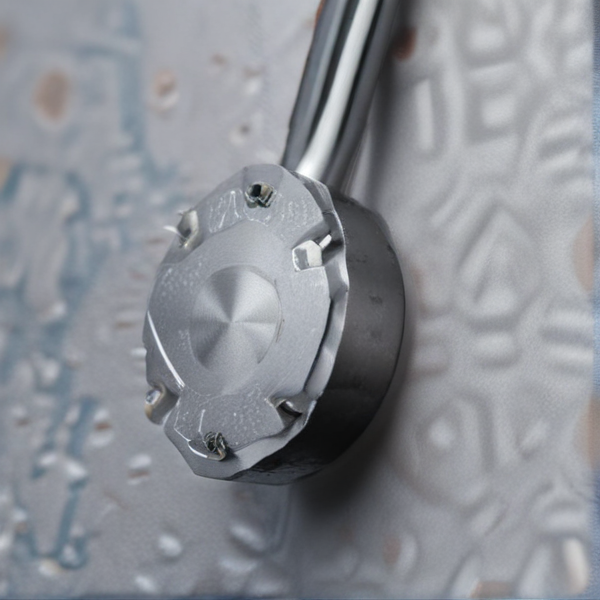
Metal marking is a critical process in the medical industry for tracking and identifying medical devices and equipment. By using techniques such as laser engraving, electrochemical etching, or dot peen marking, manufacturers can permanently mark important information such as serial numbers, manufacturing dates, and barcode data directly onto metal surfaces. This ensures traceability throughout the supply chain, helps prevent counterfeiting, and ensures compliance with regulatory requirements. In addition to enhancing the overall quality control and safety of medical devices, metal marking also provides crucial information for maintenance, troubleshooting, and warranty purposes.
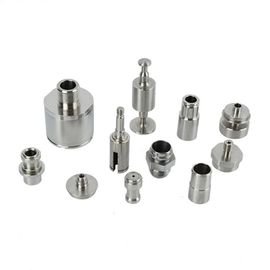
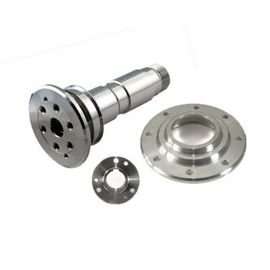
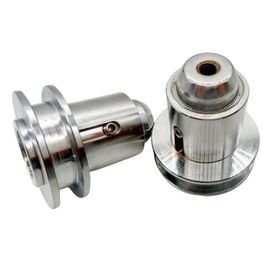
Lorem ipsum dolor sit amet, consectetur adipiscing elit. Ut elit tellus, luctus nec ullamcorper mattis, pulvinar dapibus leo.
Lorem ipsum dolor sit amet, consectetur adipiscing elit. Ut elit tellus, luctus nec ullamcorper mattis, pulvinar dapibus leo.
Lorem ipsum dolor sit amet, consectetur adipiscing elit. Ut elit tellus, luctus nec ullamcorper mattis, pulvinar dapibus leo.
Lorem ipsum dolor sit amet, consectetur adipiscing elit. Ut elit tellus, luctus nec ullamcorper mattis, pulvinar dapibus leo.
Brass is a transition metal alloy, and it is produced by combining copper and zinc in various ratios.
Atoms of the two constituents substitute one another in the identical crystalline structure.
It is made to achieve different mechanical, electrical, and chemical characteristics.
Brass is similar to bronze, another copper alloy that uses tin rather than zinc.
Both bronze and brass contain trace amounts of cyanide, lead, phosphorus, metal, chromium, and silicon.
1/8 IPS thread refers to a common type of threading used in plumbing and lighting fixtures. It has a diameter of 1/8 inch and follows the IPS (Iron Pipe Size) standard. This thread size is often used for connecting small pipes and fittings securely.
The types of brass are as follows:
No, IPS (Iron Pipe Size) and NPT (National Pipe Thread) are not the same. While they both involve threading for pipes and fittings, IPS refers to the size of the pipe, whereas NPT refers to the type of threading used. IPS is used for non-threaded pipes, while NPT is used for threaded pipes.
There are countless reasons why brass parts should be used, such as the following:
The machinability of this brass lowers speed that produces the best results.
This is the most commonly used brass grade in applications requiring severe bending.
Brass has great cold working characteristics and it can be drawn easily with good results.
It could be heat treated, solidified, molded, and drawn in a fair amount of heat.
It can be effectively and quickly cut with gas, flame, and laser cutting machinery.
It responds to fluctuations in production demand, backup inventory levels can be built.
1/8-27 refers to a specific thread size notation. The “1/8” indicates the diameter of the threaded portion in inches, and the “27” indicates the number of threads per inch. This notation is commonly used for plumbing and lighting applications.
No, IPS threads and NPT threads are not compatible due to their differences in design and function. Attempting to connect these two types of threads can lead to leaks and improper fits.
Brass parts are resistant to corrosion and are suitable for use in harsh environments.
They are used in situations where there is a high risk of corrosion and standard brasses do not meet the requirements.
High water temperatures, the presence of chlorides, and varying moisture attribute all play a role.
In water boiler systems, brass is ideal.
To avoid long-term failures, this brass alloy must be manufactured with good caution as well as efficient production.
There are numerous brass parts finishes are available to give excellent touches like the following:
Milling is a term used to describe the process of Mills cutting material into nearly any 3D shape using rotating tools. Mills are capable of producing parts with extremely close tolerances.
Waterjets use a high-pressure flow of water and rough to trim metal sheets into 2D parts. Waterjet cutting works well with most materials and produces clean edges.
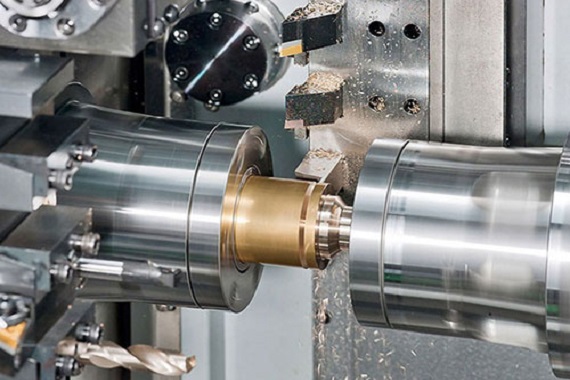
CNC lathes are used to feed hand tools into movable material. Turning is primarily used to create accurate, cylindrical parts.
EDM machines manufacture parts by removing material with recurring sparks. They are suggested for unique details that necessitate pointed interior edges and high dimensional precision.
Finishing methods improve the look, sturdiness, and corrosion resistance of a surface.
Powder coating, anodizing, polishing, sharpening, and other finishing techniques are also available.
Brass parts yielding, milling, tapping, grooving, and other services are available as additional services.
Second-hand parts may need to be processed further after they are manufactured.
There are different uses of brass parts and it is commonly used for the following:
Brass parts are used in numerous industrial applications, such as:
Tiny brass parts are preferred by businesses because they are easy to machine, cost-effective, and extremely durable.
Due to their low strength and weight, molded brass fittings are commonly applied to various electronic hardware.
Brass parts have smooth, low-friction metal that can be quickly machined, molded, sliced, and punched.
It is an ideal material for components that must be corrosion-resistant.
It has a higher degree of malleability than copper or nickel.
Due to their low dew point and fluid velocity, brass parts are reasonably simple elements to cast.
The properties of the brass can be altered by ranging the portions of copper and zinc, resulting in soft and hard brasses.
Nowadays, most brass composites are reused.
By transferring the scrap next to a strong magnet, it can be detached from ferrous metal.
Scrap brass is transported directly to a foundry, where it is liquefied and recreated into billets.
Billets are warmed and molded into the shape and size desired.
Because of the overall soft texture of brass, it is often possible to machine it without the need for drilling process.
Brass Parts are indeed a beneficial product and have a lot of advantages like the following:
The cost of brass is influenced by a number of factors, chief among them being the cost of the raw materials used to produce it – copper and zinc. Both of these metals have seen their prices increase due to increasing demand and occasionally, supply chain disruptions. Furthermore, the manufacturing process for brass is more complex than for simpler metals, contributing to its overall cost.
Despite its rising cost, brass can be considered cheap in comparison to other metals, like gold or platinum. This is due to the relative abundance and lower cost of its base components – copper and zinc. Moreover, brass’s durability and corrosion resistance add to its cost-effectiveness over time.
Brass is a type of metal, but it is not steel. It’s an alloy composed primarily of copper and zinc. While steel is also an alloy, it is primarily made of iron and carbon.
Brass is an alloy primarily composed of copper and zinc. The proportions of these elements can be varied to create a range of brasses with varying properties. In addition to copper and zinc, brass can also contain small amounts of other elements like lead, tin, or arsenic to enhance certain properties.
Brass is generally less expensive than pure copper. This is because zinc, the other major component of brass, costs less than copper, which reduces the overall cost of the material.
The “better” material between brass and steel largely depends on the application. Brass offers superior corrosion resistance, electrical conductivity, and aesthetic appeal. On the other hand, steel is typically stronger and more suitable for high-stress applications.
Brass is generally more expensive than aluminum. This is due to the higher cost of copper and zinc, the primary components of brass, compared to aluminum.
The manufacture of brass products typically involves several key steps: mining and refining of copper and zinc, melting and combining these elements to form brass, and finally shaping and finishing the brass into the desired product. This might involve processes like casting, extrusion, drawing, or machining, depending on the specific product.
The world of precision turned brass components is vast and diverse, spanning numerous industries from automotive to electronics. Among these, Hengming Mold (HM) stands out as a leading manufacturer. This company, located in Zhejiang, China, has a proven track record of delivering high-quality, precision-engineered brass components. Their expertise, refined over years of industry presence, coupled with their commitment to quality, places them among prominent manufacturers such as Cox Manufacturing in the U.S. and Pioneer Service Inc. in the U.S. Whether you’re sourcing for large-scale industrial projects or smaller, specialized applications, these manufacturers offer solutions tailored to your specific needs.
IP and CC threads are not standard thread designations. It’s possible that you’re referring to IPS (Iron Pipe Size) thread and NPT (National Pipe Thread) thread, in which case the main difference lies in the type of threading used and their applications.
IPS stands for Iron Pipe Size, which is a standardized system used to refer to the dimensions of pipes. It’s important to note that IPS does not imply threaded pipes; it simply indicates the size of the pipe based on its inner diameter.
IPS stands for Iron Pipe Size, which refers to the dimensions of a pipe, while NPT stands for National Pipe Thread, which refers to the type of threading used for pipes and fittings.
3/8 IPS thread refers to a threading size commonly used in plumbing applications. It has a diameter of 3/8 inch and follows the IPS (Iron Pipe Size) standard.
PT (Pipe Thread) and G thread are different thread standards. PT is a Japanese standard, while G thread, also known as BSPP (British Standard Pipe Parallel), is a British standard. They have variations in thread angles and applications.
1/8 NPT refers to a pipe thread size. The “1/8” indicates the diameter of the threaded portion in inches, and NPT (National Pipe Thread) specifies the type of threading used. This size is commonly used in various plumbing connections.
1/8 thread size refers to a standard threading size often used in plumbing and piping. It indicates a diameter of 1/8 inch for the threaded portion. This size is frequently used for connecting small pipes and fittings.
The difference lies in the threading standards. NPT (National Pipe Thread) is a U.S. standard with a tapered thread, while BSPT (British Standard Pipe Taper) is a British standard, also with a tapered thread. They have different thread angles and applications.
No, PT (Pipe Thread) and BSP (British Standard Pipe) are not the same. PT refers to a Japanese standard, while BSP refers to a set of British standards for pipe threads.
“Number 8 thread” is not a standard thread designation. It’s important to specify the threading system (such as NPT, BSP, etc.) to accurately determine the characteristics of the thread.
NPT (National Pipe Thread) commonly has threads per inch (TPI) ranging from 27 TPI to 8 TPI, depending on the pipe size. The specific TPI is determined by the thread size and is an important factor in creating proper seals.
“8 IPS” is not a standard thread designation. To provide accurate information, it’s necessary to specify the context or threading system you are referring to.
Thread sizes are usually specified in terms of diameter and threads per inch (TPI). Common examples include 1/8, 1/4, 3/8, and so on, indicating the diameter of the threaded portion, while the TPI specifies the number of threads per inch.
What is the quality of metal marking work at SourcifyChina factory?
At SourcifyChina factory, we ensure high-quality metal marking work by using advanced technology, skilled workers, and strict quality control procedures. Our team is experienced in producing precise and durable metal markings that meet industry standards. We also offer customization options to suit your specific requirements, providing a reliable and efficient solution for your marking needs.
How does SourcifyChina ensure consistent quality in metal marking work?
Metal marking manufacturing is the process of engraving, embossing, or etching information onto metal surfaces for identification or decoration purposes. When sourcing metal marking manufacturing from a Sourcify China factory, it’s essential to keep a few key tips in mind:
1. Quality Control: Ensure that the factory has stringent quality control measures in place to guarantee the accuracy and durability of the metal marking. Request samples of previous work to assess the quality of their craftsmanship.
2. Customization Options: Discuss your specific requirements with the factory to determine the level of customization they can provide. Whether you need logos, serial numbers, or intricate designs marked on the metal, make sure the factory has the capability to meet your specifications.
1. What materials can be used for metal marking in SourcifyChina factories?
In SourcifyChina factories, metal marking can be done on a variety of materials including stainless steel, aluminum, brass, copper, and titanium.
2. What types of metal marking techniques are available in SourcifyChina factories?
SourcifyChina factories offer a range of metal marking techniques such as laser engraving, rotary engraving, dot peen marking, and chemical etching.
3. Can I customize the design for metal marking in SourcifyChina factories?
Yes, you can customize the design for metal marking in SourcifyChina factories. Simply provide the factory with your design or logo, and they can create a personalized metal marking for you.
When sourcing metal marking services from a factory in China, there are a few important tips to keep in mind.
First, it is crucial to thoroughly research and vet potential suppliers to ensure they have the capabilities and experience needed to meet your specific metal marking requirements. Look for factories that specialize in metal marking services and have a track record of producing high-quality products.
It is also important to communicate clearly with the factory about your exact specifications, including the type of metal to be marked, the size of the marks, and any specific design requirements. Providing detailed samples or drawings can help ensure that the factory understands your needs accurately.
Copyright © 2024 SourcifyChina Fabrication | All Rights Reserved.