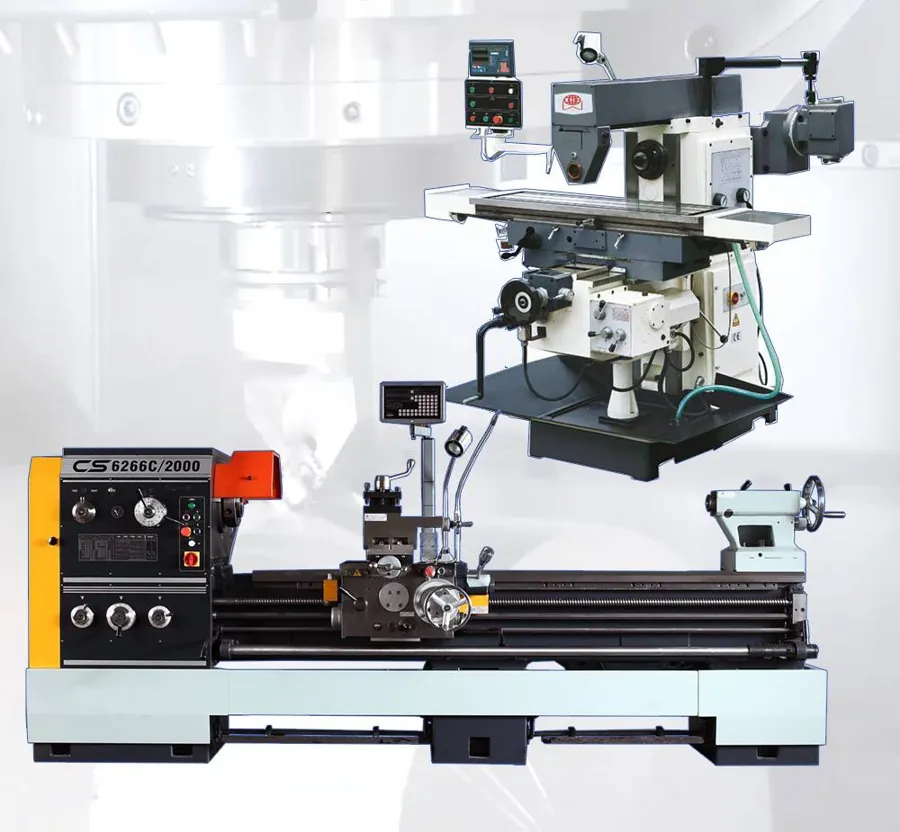
1 · Define the part before you ask for a price
Send a 2D drawing or STEP file with material, critical tolerances, finish and quantity. The clearer the spec, the more accurate the quote — and the fewer surprises at inspection. Mark only the features that are truly critical; over-tolerancing inflates price.
2 · Vet the supplier
- Confirm they are a factory, not a trading company reselling the work.
- Ask for equipment lists, sample parts and reference customers.
- Check business licence and, for critical work, request an audit or video tour.
3 · Read the quote properly
A real quote shows unit price at your volume, tooling/setup, lead time, material, finish and DFM notes. See our tolerance reference to judge whether quoted tolerances are realistic for the price.
4 · Lock quality in writing
| Stage | What to require |
|---|---|
| Before production | First Article Inspection (FAI) approval |
| During production | In-process dimensional checks |
| Before shipment | Inspection report + material certificates |
| Critical orders | Third-party pre-shipment inspection |
5 · Agree terms & shipping
Set payment terms (commonly a deposit + balance), Incoterm (EXW / FOB / DDP), and packing — see our export packing guide. Put IP protection or an NDA in place before sharing drawings.
Common pitfalls
- Vague drawings → parts that are "to print" but not what you needed.
- No inspection plan → defects discovered after the parts land.
- Cheapest quote with no DFM → re-quotes and delays later.