Part type · Frames
Folded chassis and welded structural frames for equipment, racks and machinery — built straight, square and ready to mount.
Chassis and frames carry everything else, so straightness and squareness matter as much as the welds. We fixture and sequence welds to control distortion, and machine critical faces afterward where mounting accuracy is needed.
Types & options
| Aspect | Options |
|---|
| Chassis | Folded sheet-metal base for mounting components |
| Frames | Welded bar, tube or profile structures |
| Materials | Mild steel, aluminum, stainless |
| Accuracy | Fixtured welding; post-weld machining on critical faces |
| Finish | Powder coat, plating |
Design notes
- Call out which faces and holes are critical so we can machine them after welding.
- Triangulate or gusset frames that carry significant load.
- Allow access for welding and finishing inside closed structures.
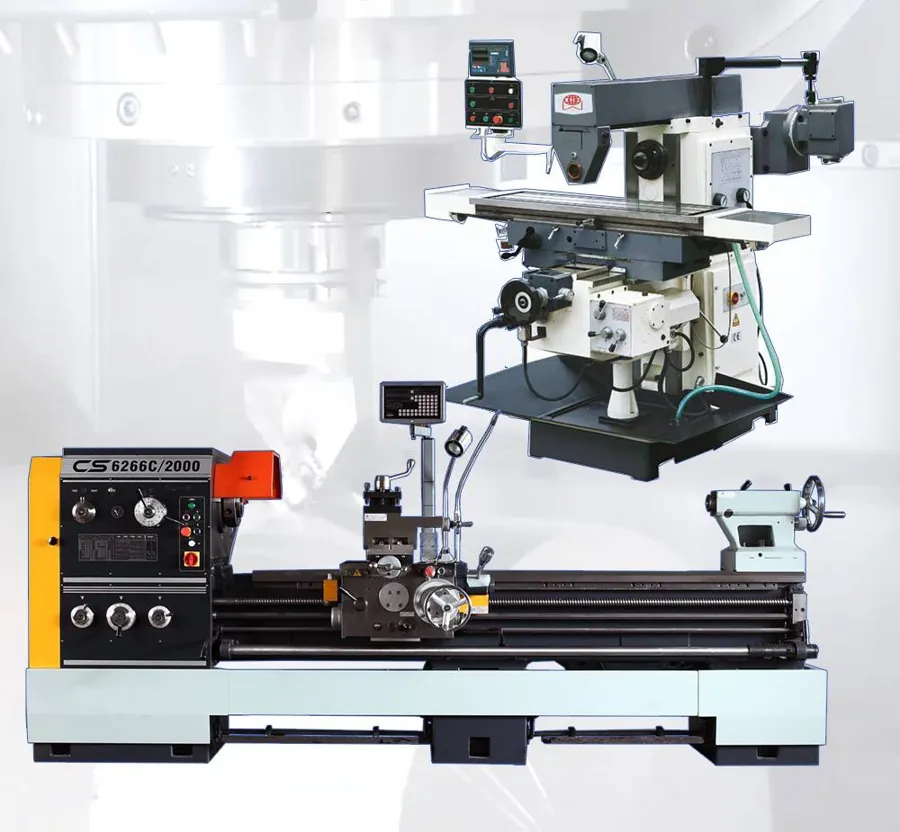
Built with welding and machining; finished with powder coating.
Frequently asked questions
What is the difference between a chassis and a frame?
A chassis is usually a folded sheet-metal base that mounts components; a frame is a welded structure of bar, tube or profile that carries structural load. We build both, and combinations.
How do you keep welded frames straight?
Frames are welded in fixtures with a balanced sequence to control distortion, then checked for squareness and flatness; critical mounting faces can be machined after welding.
What materials do you use for frames?
Mild steel for most structural frames (powder coated), aluminum where weight matters, and stainless for corrosive environments.
Can you machine mounting features after welding?
Yes — welded frames can be machined on critical faces and holes after welding so mounting surfaces are flat and located accurately despite weld distortion.