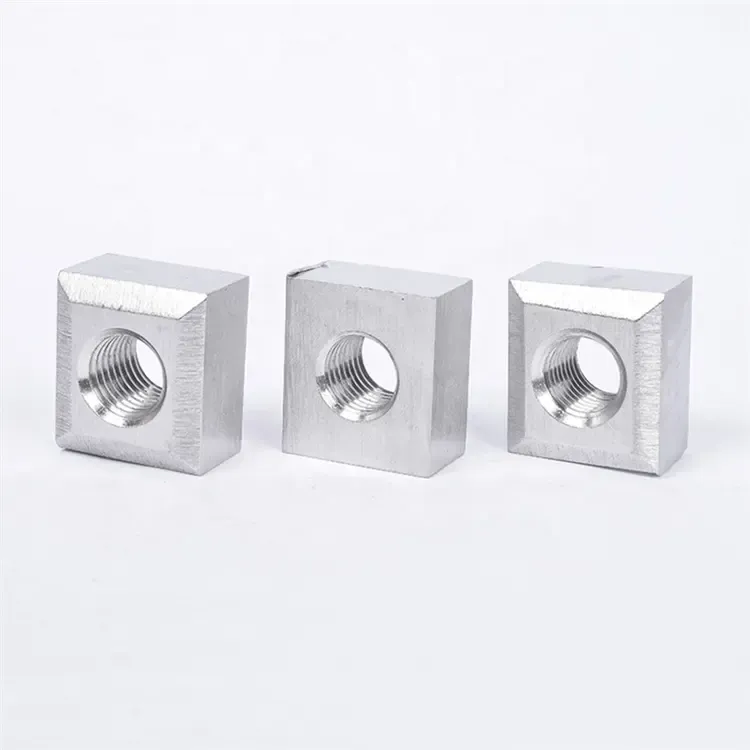
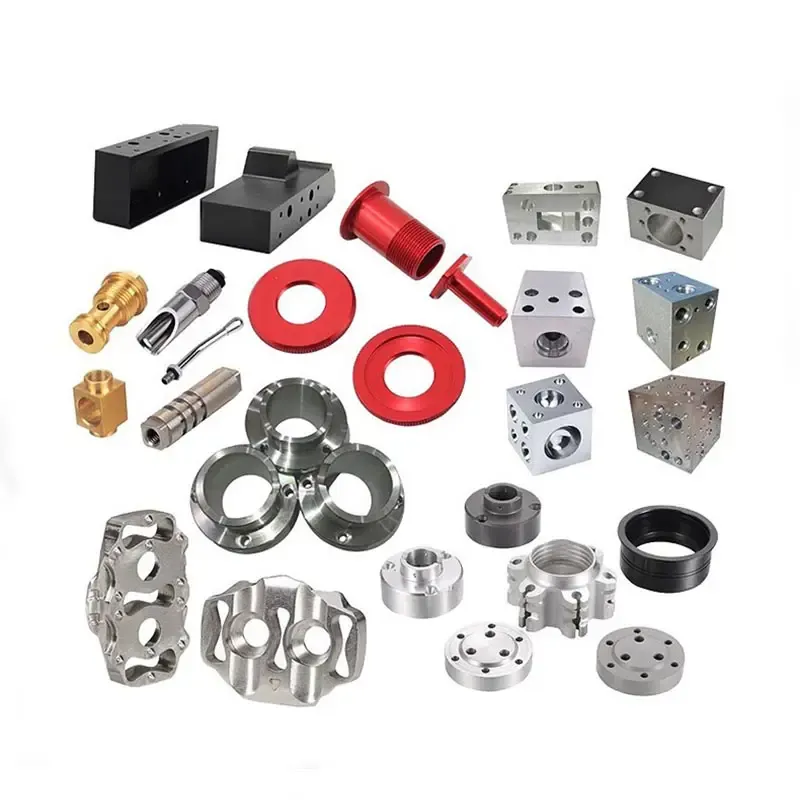
Wire EDM cuts by running a thin charged wire through the part and eroding metal with electrical sparks in a dielectric bath. Because nothing touches the part mechanically, it cuts hardened steel as easily as soft steel and holds features that would break a milling cutter — which makes it the go-to for dies, punches and precision profiles.
Capabilities at a glance
| Parameter | Range |
|---|---|
| Positional accuracy | ±0.005 mm |
| Min internal corner | ≈ 0.13 mm (0.25 mm wire) |
| Max cut thickness | ≈ 300 mm |
| Surface finish | down to Ra 0.4 µm (multi-pass) |
| Materials | Hardened & tool steel, carbide, titanium, aluminum, copper — conductive only |
| Taper cutting | Yes, angled walls within machine limits |
Where EDM earns its keep
- Stamping dies and punches in hardened tool steel that cannot be milled after heat treatment.
- Sharp internal corners and narrow slots beyond any end mill.
- Thin, delicate or stacked parts that would deflect under cutting force.
Related
Soft prismatic parts are cheaper to mill; rotational parts are turned. Check the tolerance reference to decide when EDM precision is actually needed.