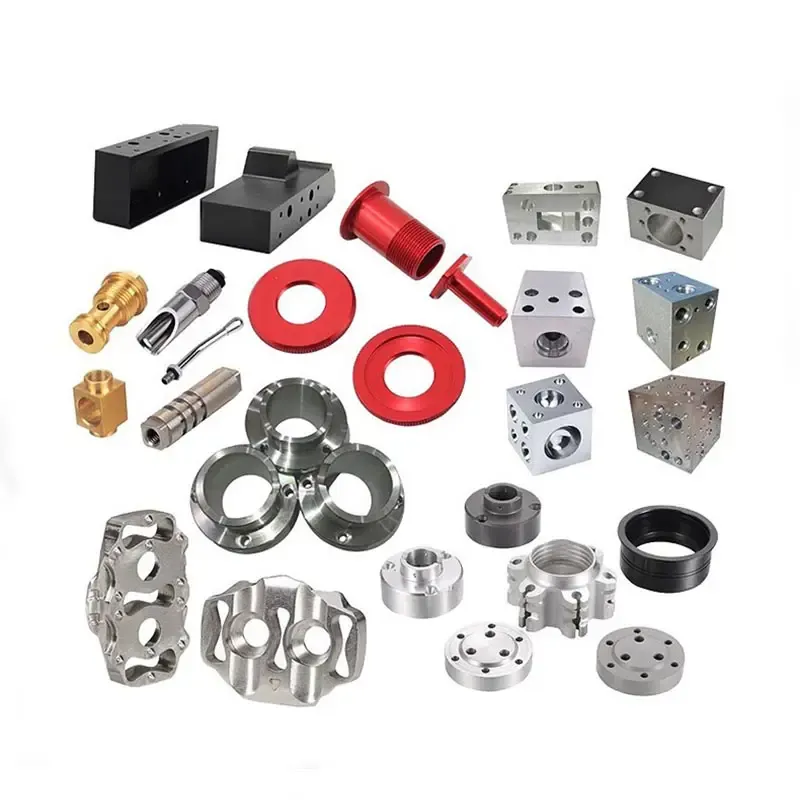
Process · Cutting
Straight shearing to size and die blanking for simple flat parts — fast, clean-edged stock preparation for the rest of the line.
Shearing and blanking both cut sheet by forcing it past a die until it fractures across a controlled clearance. Shearing makes straight cuts to size raw stock; blanking punches a shaped flat part. Both are fast and economical, and the clearance setting decides edge quality.
At a glance
| Parameter | Detail |
|---|
| Shearing | Straight cuts to size sheet and strip |
| Blanking | Die-punched flat parts at volume |
| Thickness | 0.3 – 6 mm |
| Edge | Clean, mostly square at correct clearance |
| Burr | Small, normal; deburred on request |
When to use it
- Sizing raw sheet and strip before bending or stamping.
- Simple rectangular or straight-edged blanks at volume.
- For shaped profiles or tight tolerance, use laser cutting instead.
Sheared blanks feed straight into bending and stamping.
Frequently asked questions
What is the difference between shearing and blanking?
Shearing makes straight cuts to size a sheet or strip; blanking punches a shaped flat part out of the sheet with a die. Both cut by controlled fracture across a clearance gap.
What controls edge quality?
The clearance between punch and die. Too little or too much clearance increases burr and a rough edge; correct clearance for the material and thickness gives a clean, mostly burnished edge.
Shearing or laser cutting?
Shearing is fast and cheap for straight cuts and simple blanks at volume; laser handles any profile and tight tolerances without tooling. We use shearing to size stock and laser for shaped parts.
Do sheared edges need deburring?
A small burr is normal. We deburr where the edge is handled or mates with another part; specify if a deburred or broken edge is required.