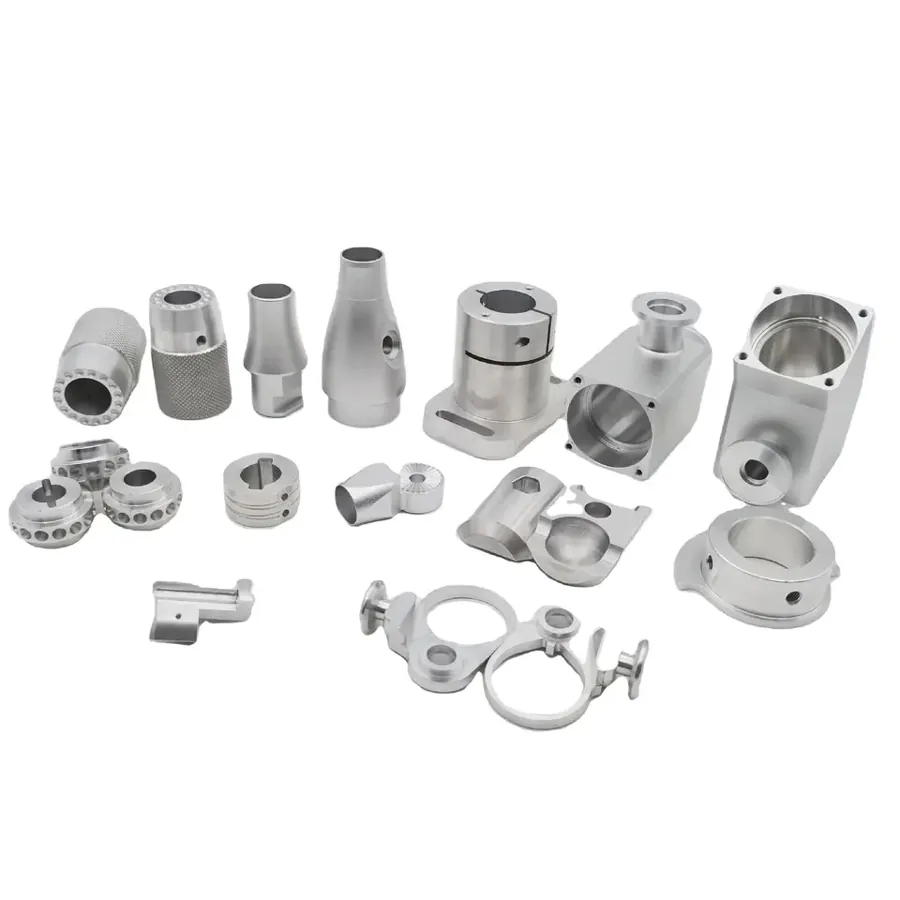
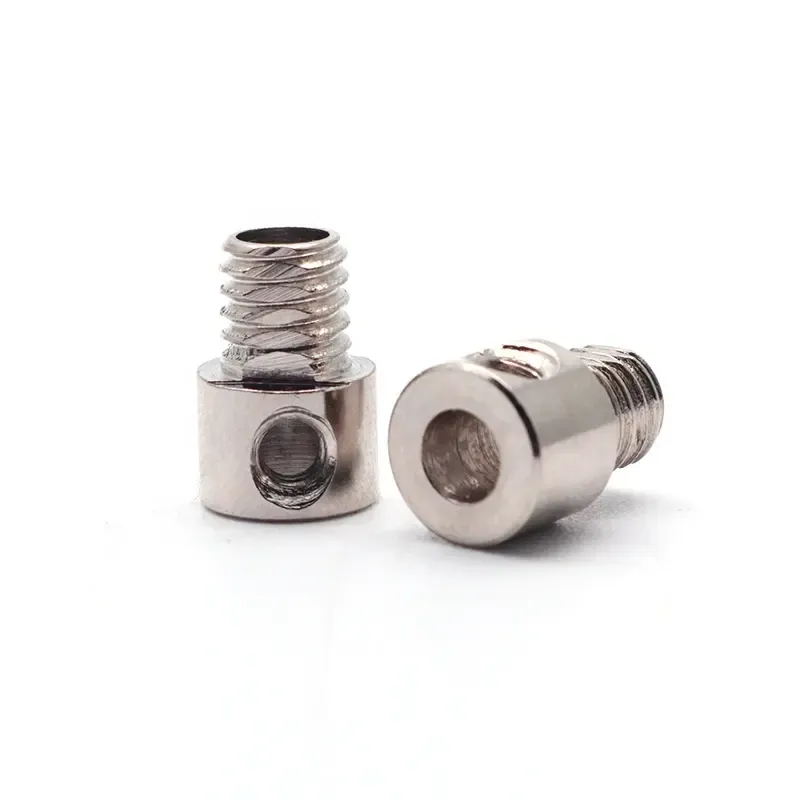
Milling removes material with a rotating cutter while the part is held on a moving table. It is the most versatile machining process — almost any prismatic or 3D-surfaced metal part can be milled — and the right axis count and tool path decide both accuracy and cost.
Capabilities at a glance
| Parameter | Range |
|---|---|
| Machines | 3-axis VMC · 4-axis · 5-axis |
| Max part envelope | ≈ 1,000 x 600 x 500 mm |
| Standard tolerance | ±0.05 mm (ISO 2768-m) |
| Precision tolerance | ±0.01 – 0.02 mm on critical features |
| Surface finish | Ra 1.6 µm standard · Ra 0.8 µm on request |
| Materials | Aluminum, steel, stainless, titanium, brass, copper, engineering plastics |
Design for lower-cost milling
- Keep internal radii at or above 0.5–1 mm so a standard end mill can reach them — sharp internal corners force EDM.
- Limit pocket depth to about 4x the tool diameter; deeper pockets need long tools that chatter and slow the cut.
- Tolerance only the features that mate or seal; leave the rest at ISO 2768-m.
- Avoid very thin walls (under ~0.8 mm in metal) — they vibrate and distort during cutting.
Related
Rotational features are better turned; hardened or razor-sharp internal corners go to wire EDM. See the tolerance reference before you dimension the drawing.